Was leise geht — und was nicht
Die ehrliche Aufteilung, damit du weisst, wo der Kopfhörer an seine Grenze kommt:
Geht über Kopfhörer
- · Tempo angleichen und Drift hören
- · Phasen synchronisieren
- · Cue-Punkte setzen und abrufen
- · In Phrasen zählen und mixen
- · Übergänge und Effekt-Timing
- · Bibliothek ordnen und vorbereiten
Braucht irgendwann einen Raum
- · Wie zwei Basslines im Raum kollidieren
- · Ob ein Übergang „gross“ wirkt
- · Lautstärkeverhältnisse über ein ganzes Set
- · Wie sich ein Drop körperlich anfühlt
Alles davon lernst du später nach — beim ersten Auftritt, im Proberaum oder bei jemandem mit Anlage. Nichts davon ist ein Grund, jetzt nicht anzufangen.
Der Platz: weniger, als du denkst
Breite. Rund 80 cm reichen für Einsteiger-Controller und Laptop nebeneinander. Ein normaler Schreibtisch ist damit schon zu gross gedacht.
Höhe. Der wichtigste Punkt und der am häufigsten übersehene. Im Stehen sollte der Controller etwa dort liegen, wo deine Handgelenke sind, wenn die Arme locker hängen — auf einem Schreibtisch stehst du sonst monatelang gebeugt.
Standfestigkeit. Ein wackliger Tisch überträgt jeden Handgriff auf den Plattenteller und jeden Bass ins Haus. Stabil schlägt schön.
Entkopplung. Eine Matte oder Filzgleiter unter dem Controller nehmen Körperschall weg — das ist der billigste Nachbarschaftsfrieden, den es gibt.
Nachbarn: der Ton macht die Musik
Was formal erlaubt ist, regeln Hausordnung und Mietvertrag — üblich sind Ruhezeiten mittags und nachts, mit Unterschieden je nach Haus und Kommune. Das ist aber selten die eigentliche Frage. Ärger entsteht nicht an der Grenze der Vorschrift, sondern an der Grenze der Geduld.
Drei Dinge, die praktisch immer funktionieren: vorher ankündigen statt sich nachher rechtfertigen, ab dem Abend auf Kopfhörer unabhängig von der Uhrzeitregel, und den Subwoofer weglassen — es sind fast immer die Bässe, die durch die Decke gehen, nicht die Melodie.
Und wenn doch jemand klingelt: nicht diskutieren, ob es wirklich zu laut war. Für den, der klingelt, war es das.
Üben, das wirklich etwas bringt
Der häufigste Fehler beim Üben zu Hause ist nicht die Lautstärke, sondern die Ziellosigkeit: Controller an, zwei Lieblingstracks, eine Stunde vergeht, nichts ist besser geworden. Drei Regeln ändern das:
Ein Ziel pro Session. Heute nur Tempo. Morgen nur Phrasing. Übermorgen nur EQ. Alles gleichzeitig zu üben heisst, nichts zu üben.
Immer dieselben Tracks. Wenn das Material bekannt ist, hörst du deine Fehler statt der Musik. Neue Tracks sind zum Auflegen da, nicht zum Üben.
Kurz und täglich. 20–30 Minuten am Tag schlagen vier Stunden am Sonntag. Motorik lebt von Wiederholung über Tage, nicht von Dauer am Stück.
Einen fertigen Wochenplan mit sieben solchen Sessions findest du im Artikel zu den häufigsten Anfängerfehlern — dort steht auch, warum die wirksamste Übung darin besteht, sich selbst anzuhören.
Kopfhörer: worauf es beim Üben ankommt
Für das Üben zu Hause zählt vor allem eines: geschlossene Bauform. Sie hält den Schall drinnen — gut für die Nachbarn — und lässt dich leiser hören, weil weniger Umgebungsgeräusch dagegenarbeitet. Ein drehbares Ohrteil ist praktisch fürs einohrige Vorhören.
Zum Gehör: Wer täglich mit Kopfhörern übt, setzt sich regelmässig Schall aus, den er selbst dosiert — und Gewöhnung führt dazu, dass man mit der Zeit lauter dreht. Übe so leise, wie es geht, und mach Pausen. Hörschäden sind das einzige Werkzeug eines DJs, das sich nicht ersetzen lässt.
Schritt für Schritt
Ein Tisch, an dem alles aufgebaut bleibt, ist der größte Einzelhebel beim Üben zu Hause. Zehn Minuten Aufbau vor jeder Sitzung sind zehn Minuten, in denen man es auch lassen kann — und genau daran scheitern die meisten Vorsätze.
Sprich einmal mit den Nachbarn, statt auf die erste Beschwerde zu warten — und leg dir feste Zeiten zu, in denen du über Boxen spielst. Alles andere geht über Kopfhörer. Wer die Frage vorher regelt, verliert nicht später die Möglichkeit ganz.
Heute nur Tempo angleichen, ohne Sync und ohne EQ. Morgen nur der Bass-Swap, zwanzig Mal. „Auflegen üben“ endet sonst damit, Lieblingstracks anzuspielen — das ist Hören, nicht Üben. Eine Fähigkeit, viele Wiederholungen.
Während des Übergangs bist du beschäftigt und hörst das Ergebnis nur halb. In der Aufnahme hörst du Lautstärkesprünge, matschige Bässe und schiefe Phrasen sofort. Die Aufnahme ist der einzige Zuhörer, der dir zu Hause ehrlich antwortet.
Nicht die ganze Aufnahme, nicht alle Fehler. Eine Stelle, die dich am meisten stört — und die spielst du dreimal nach. Eine Auswertung, die zwanzig Punkte findet und zu keiner Wiederholung führt, ist Beschäftigung.
Ein Mix, den du jemandem schickst, oder eine Open-Deck-Nacht in vier Wochen. Ein Termin verändert das Üben mehr als jeder Vorsatz: Plötzlich gibt es eine Frage, die beantwortet werden muss, und die Sitzungen richten sich von selbst darauf aus.
Häufige Fragen zum Üben zu Hause
Kann ich DJing üben, ohne Lautsprecher zu benutzen?
Ja — fast alles, was in den ersten Monaten zu lernen ist, geht über Kopfhörer. Beatmatching, Cue-Punkte, Phrasing und Übergänge übst du genauso gut leise. Die einzige Einschränkung betrifft das Zusammenspiel der Bässe: Wie zwei Basslines im Raum wirklich zusammenwirken, hörst du über kleine Kopfhörer nur eingeschränkt. Für den Anfang ist das kein Hindernis, und es ist der bessere Kompromiss, als gar nicht zu üben.
Wie viel Platz brauche ich für ein DJ-Setup zu Hause?
Ein stabiler Tisch von etwa 80 Zentimetern Breite reicht für einen Einsteiger-Controller und einen Laptop. Wichtiger als die Fläche ist die Höhe: Wer über Monate mit hochgezogenen Schultern an einem zu niedrigen Schreibtisch steht, übt sich Verspannungen an. Der Controller sollte ungefähr auf Höhe der Handgelenke stehen, wenn die Arme locker hängen — beim Stehen also deutlich höher als ein normaler Schreibtisch.
Wie laut darf ich zu Hause auflegen?
Das regeln Hausordnung und Mietvertrag, nicht ein Ratgeber — üblich sind Ruhezeiten mittags sowie nachts, mit Unterschieden je nach Haus und Kommune. Praktisch gilt: Bässe wandern durch Wände und Decken, und genau sie erzeugen den Ärger. Wer nach 20 Uhr übt, sollte auf Kopfhörer wechseln, unabhängig davon, was formal erlaubt wäre. Ein einmal verärgerter Nachbar bleibt länger verärgert, als jede Übungssession dauert.
Was mache ich, wenn sich Nachbarn beschweren?
Zuerst zuhören und nicht diskutieren, ob es wirklich so laut war — für den Betroffenen war es das. Dann konkret werden: feste Übungszeiten anbieten, ab einer Uhrzeit auf Kopfhörer umsteigen, den Subwoofer weglassen. Ein Controller auf einer Matte statt direkt auf dem Boden oder einem hohlen Tisch nimmt spürbar Körperschall weg. Und der wirksamste Satz ist der, den man vorher sagt: einmal klingeln und ankündigen, bevor sich jemand beschweren muss.
Wie oft und wie lange sollte ich üben?
Kurz und regelmässig schlägt lang und selten. Mit 20–30 Minuten täglich sind die Grundlagen in 3–6 Monaten machbar; eine einzelne Vier-Stunden-Session am Wochenende bringt deutlich weniger, weil motorische Fähigkeiten von Wiederholung über Tage leben, nicht von Dauer am Stück. Wichtiger als die Länge ist, dass jede Session ein Ziel hat statt nur „ein bisschen auflegen“.
Wie übe ich sinnvoll, wenn ich nur wenig Zeit habe?
Nimm dir pro Session genau eine Sache vor. Zwanzig Minuten nur Tempo angleichen bringen mehr als zwanzig Minuten alles gleichzeitig. Und benutze immer wieder dieselben zwei, drei Tracks: Wenn das Material bekannt ist, hörst du deine eigenen Fehler statt der Musik. Neue Tracks sind zum Auflegen da, nicht zum Üben.
Brauche ich Monitorboxen zum Üben?
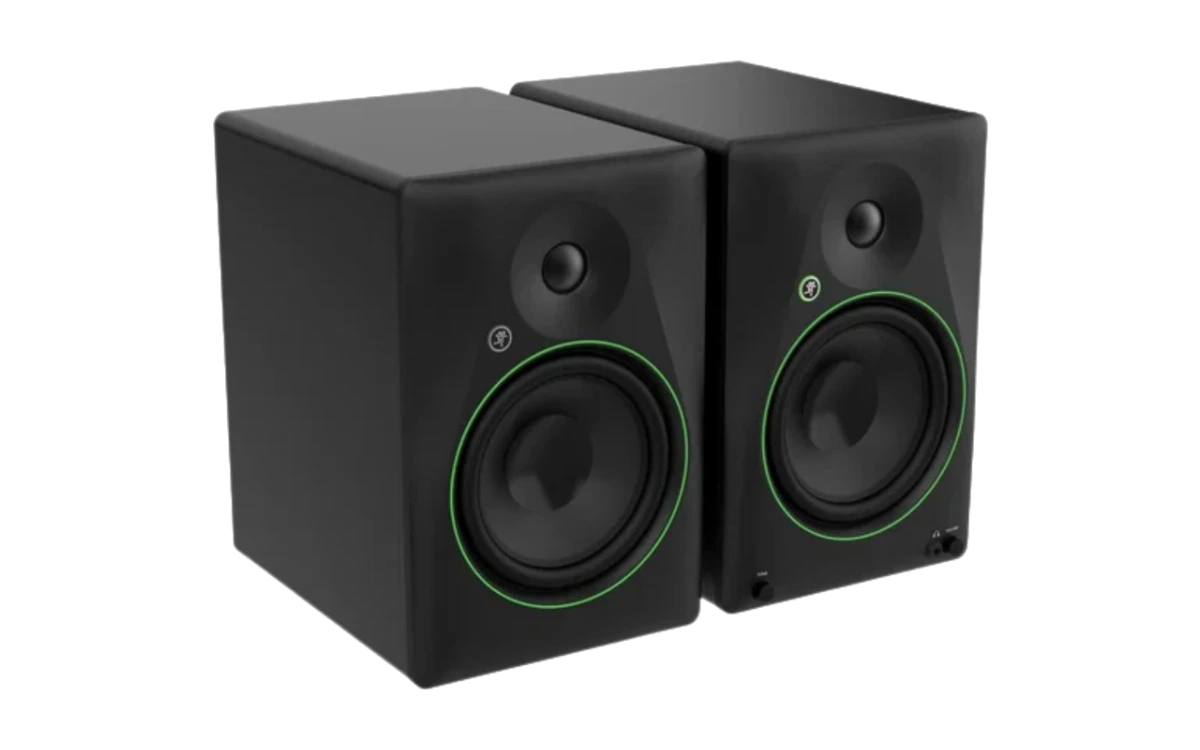
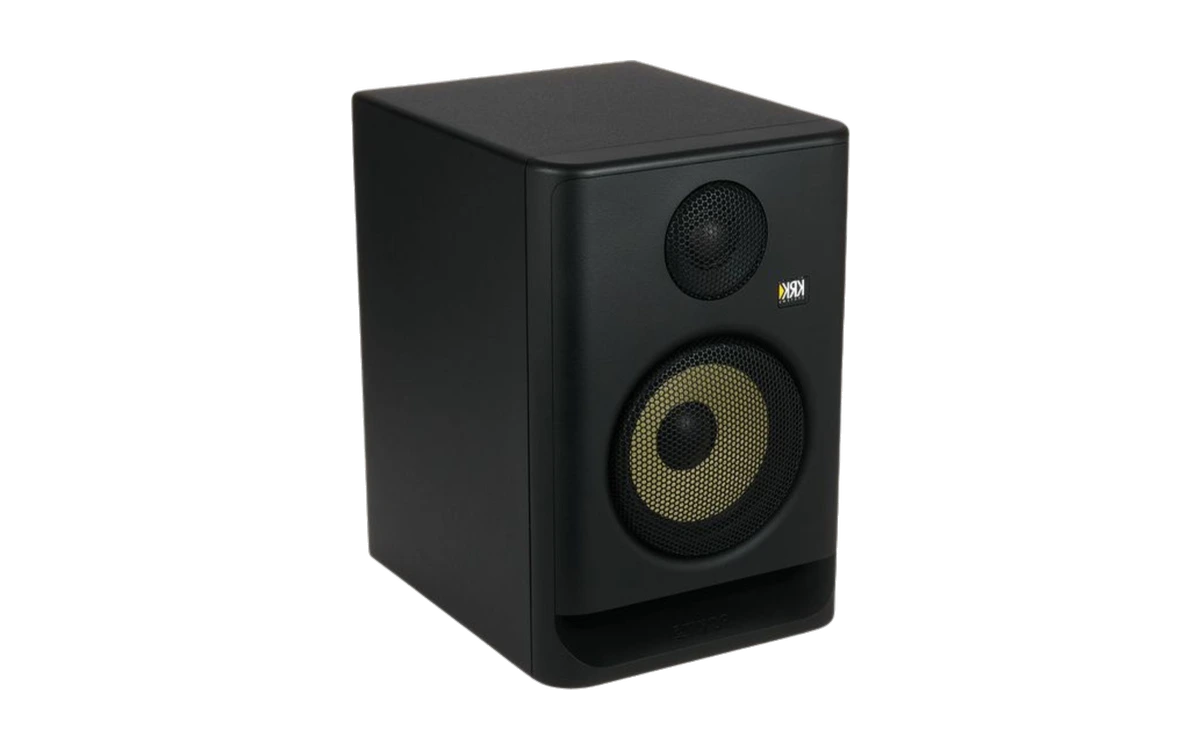
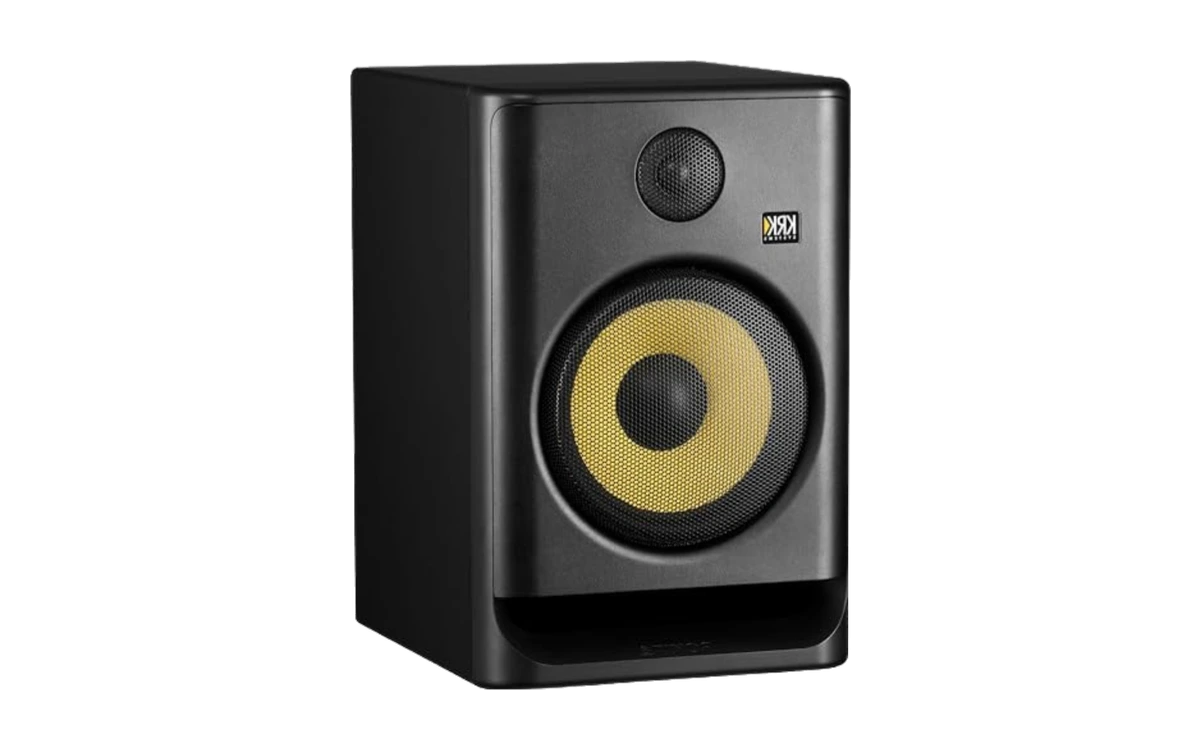
Nicht am Anfang. Ein Paar kleiner Monitore ist eine sinnvolle Anschaffung, sobald du regelmässig ganze Sets spielst und hören willst, wie sich der Mix im Raum verhält — vorher ist es Geld, das besser in Übungszeit investiert ist. Wenn du sie hast: leise abhören ist nicht nur nachbarschaftlich, sondern auch ehrlicher, weil laute Musik fast alles gut klingen lässt.
Was übe ich konkret, wenn ich mich einfach hinsetze?
Eine Sache pro Sitzung, nicht alles. „Auflegen üben“ endet meist damit, Lieblingstracks anzuspielen — das ist Hören, nicht Üben. Nimm dir stattdessen einen Handgriff vor: heute nur Tempo angleichen, ohne Sync und ohne EQ. Morgen nur der Bass-Swap, zwanzig Mal. Übermorgen nur Einstiege auf der Eins. Eine Fähigkeit, viele Wiederholungen — das ist der Unterschied zwischen einer Stunde spielen und einer Stunde besser werden.
Soll ich meine Übungen aufnehmen?
Ja, und zwar aus einem Grund, der nichts mit Veröffentlichen zu tun hat: Beim Spielen hörst du dich anders als danach. Während des Übergangs bist du beschäftigt und hörst das Ergebnis nur halb; in der Aufnahme hörst du Lautstärkesprünge, matschige Bässe und schiefe Phrasen sofort. Eine halbe Stunde aufnehmen und zehn Minuten davon durchhören bringt mehr als eine weitere Stunde spielen.
Wie bleibe ich motiviert, wenn niemand zuhört?
Indem du dir ein Ziel setzt, das ohne Publikum überprüfbar ist. „Besser werden“ ist keins — „fünf Übergänge hintereinander ohne hörbaren Sprung“ ist eins, und du merkst selbst, wann es erreicht ist. Zweiter Hebel: ein Termin. Ein aufgenommener Mix, den du jemandem schickst, oder eine Open-Deck-Nacht in vier Wochen verändert das Üben mehr als jeder Vorsatz — plötzlich gibt es eine Frage, die beantwortet werden muss.
Struktur statt Zufall
Ein Plan für jede Session
DJLearn gibt dir für jeden Tag ein Ziel — 12 Phasen, kurze Lektionen, Quiz und eine Wiederholung, die sich merkt, was du vergisst. Kostenlos, ohne Abo.
Kostenlos starten