
Head to head
iLoud Micro Monitor vs. HS7
Both are Speakers in the same price bracket (€200 to €350) — which is why you genuinely hesitate between them. Here is what our register says about both, side by side, including what speaks against them.
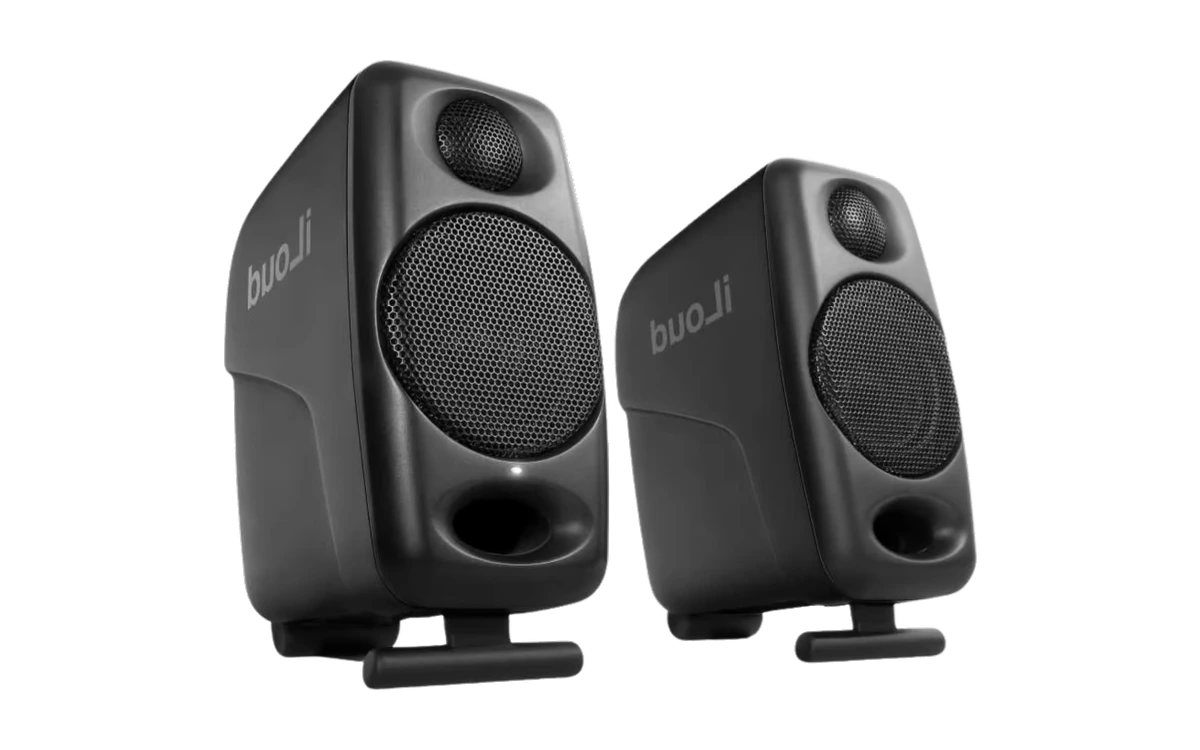
IK Multimedia
iLoud Micro Monitor
€200 to €350
Tiny monitors sold as a pair, with Bluetooth and 45 Hz of reach at −10 dB — for the desk and for travel.
For
- Sold as a pair, ready to play
- IK calls the frequency response linear and uncoloured
- Bluetooth, jack and RCA
Against
- Limited level — not for parties
- The two speakers are tethered by a cable
- No XLR input
Also available atAmazonAd
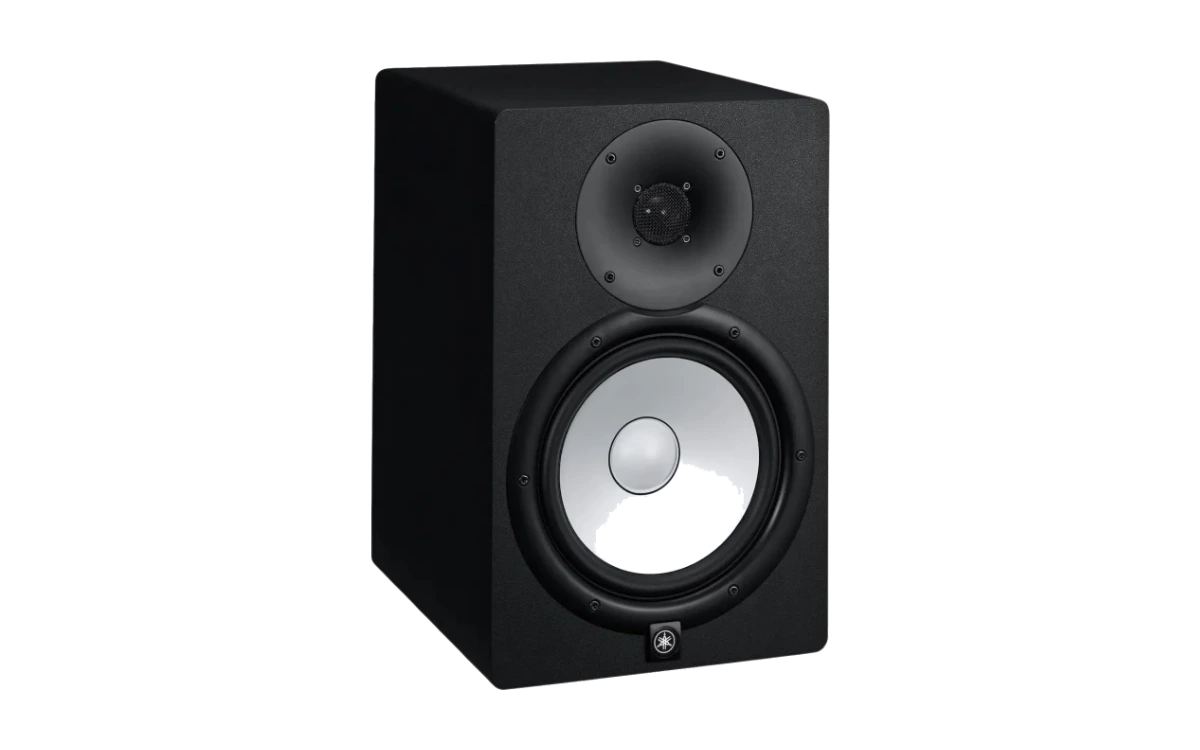
Yamaha
HS7
€200 to €350
The HS5 with more room at the bottom: 55 Hz instead of 74 Hz at −3 dB, a bigger cone.
For
- The same build as the HS5, about 20 Hz lower in the bass
- Enough for a room where the HS5 sounds thin
- Room adjustment via switches on the back
Against
- Needs distance from the wall or the bass booms
- Sold individually: buy two
- Quickly too much monitor for a desk
Also available atAmazonAd
Where it says “Ad” we earn a commission if you buy through the link — on the other routes we earn nothing. Either way you pay the same price, and it changes nothing about our recommendation. How we handle this
The key facts side by side
| Feature | iLoud Micro Monitor | HS7 |
|---|---|---|
| Manufacturer | IK Multimedia | Yamaha |
| Price bracket | €200 to €350 | €200 to €350 |
| Our classification | Entry level | Step up |
| Meant for | Nothing yet, Laptop only, Controller setup | Laptop only, Controller setup, Vinyl setup |
Technical specifications from the manuals
Every value taken word for word from that device’s manufacturer manual, with the PDF page. A dash means there is no clear value in the manual — not that the device lacks it.
| Feature | iLoud Micro Monitor | HS7 |
|---|---|---|
| Type | 2-way active, bi-ampedp. 18 | bi-amp 2-way powered speakerp. 15 |
| Woofer | 3" paper conep. 18 | 6.5" conep. 15 |
| Tweeter | 3/4" silk dome, neodymium magnetp. 18 | 1" domep. 15 |
| Amplifier power | 50 W RMS (70 W peak) total; per speaker LF 18 W + HF 7 Wp. 18 | 95 W dynamic (LF 60 W / 4 Ω, HF 35 W / 8 Ω)p. 15 |
| Inputs | 2x RCA, 1/8" AUX (both unbalanced), Bluetooth (A2DP)p. 18 | XLR + phone jack (both balanced, parallel)p. 15 |
| Frequency response | 55 Hz – 20 kHz (-3 dB), 45 Hz – 22 kHz (-10 dB)p. 18 | 55 Hz – 24 kHz (-3 dB), 43 Hz – 30 kHz (-10 dB)p. 15 |
| Maximum SPL | 107 dB (at 50 cm, two speakers)p. 18 | no clear value in the manual |
| Power supply | external PSU (included, DC IN)p. 12 | no clear value in the manual |
| Power consumption | no clear value in the manual | 55 Wp. 15 |
| Dimensions | 180 x 135 x 90 mmp. 18 | 210 x 332 x 284 mm (W x H x D)p. 15 |
| Weight | 920 g (left), 800 g (right)p. 18 | 8.2 kgp. 15 |
Sources: iLoud Micro Monitor: iLoud Micro Monitor — User Manual (IK Multimedia) · HS7: HS Series (HS5/HS7/HS8) — Owner’s Manual (Yamaha Music Europe)
Where they differ
- We classify the two differently — one is an entry device to us, the other is not. That is an editorial call, not a measurement.
- They suit different paths — someone starting with vinyl needs a different device than someone on a controller.
- Different manufacturers, so different software ecosystems, spare parts and control logic. If you already own gear from one brand, that is a reason in itself.
We deliberately crown no winner here. What we can back up is above; anything else would be a claim, and there are plenty of those on this question already.
More comparisons: Speakers
You picked your gear — now what?
The learning path takes you from the first cable to your first set: 12 phases, step by step, free. It works with any device — including the one you already own.