
Buyer's overview
DJ speakers: 13 devices at a glance
Monitors tell you the truth about your mix; Bluetooth speakers do not. For practice, whatever you own will do for a long time; once you record or build sets, you hear the difference. One note that saves money here: for most models the price is per unit and you need two. Only the small desktop pairs are sold as a pair.
up to €100
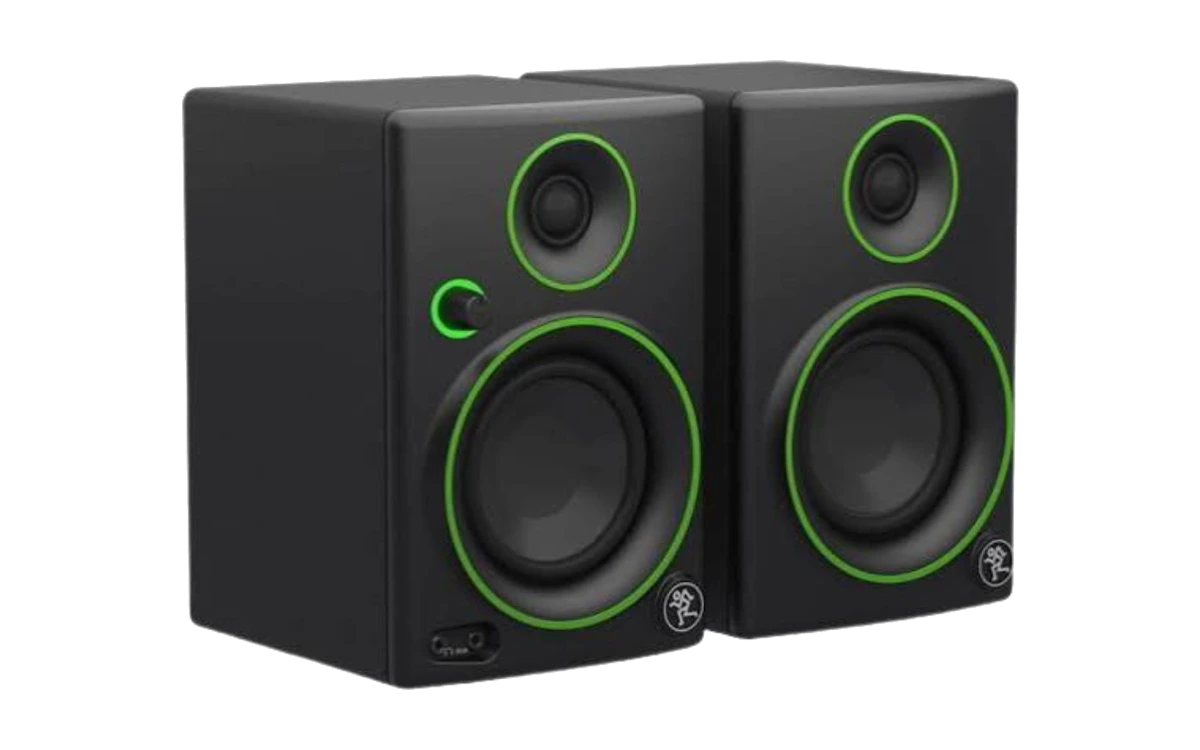
Mackie
CR3-X
The cheapest pair in the catalogue — more monitor than a Bluetooth speaker, less than a studio pair.
- Sold as a pair
- Very cheap
- Only partly honest for mixing
€100 to €200
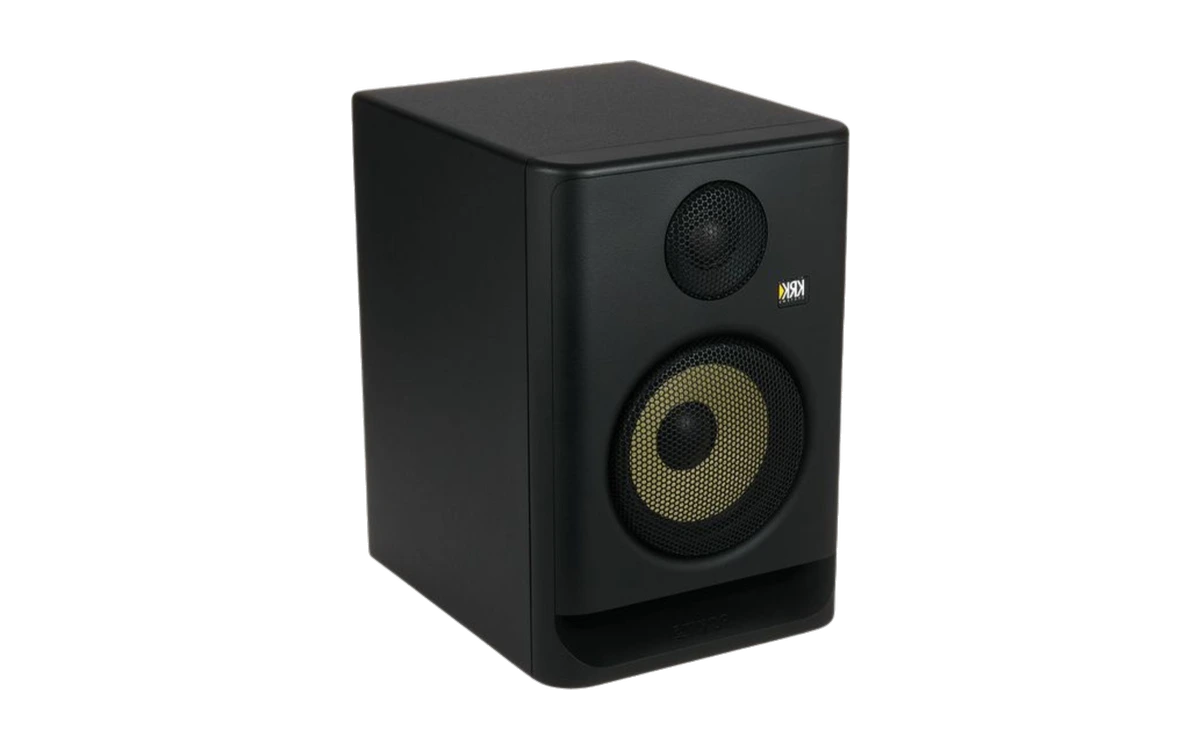
KRK
ROKIT 5 G5
An active studio monitor — the classic once the Bluetooth speaker is no longer enough.
- Honest sound for mixing
- Active, no amplifier needed
- The price is per unit — you need two
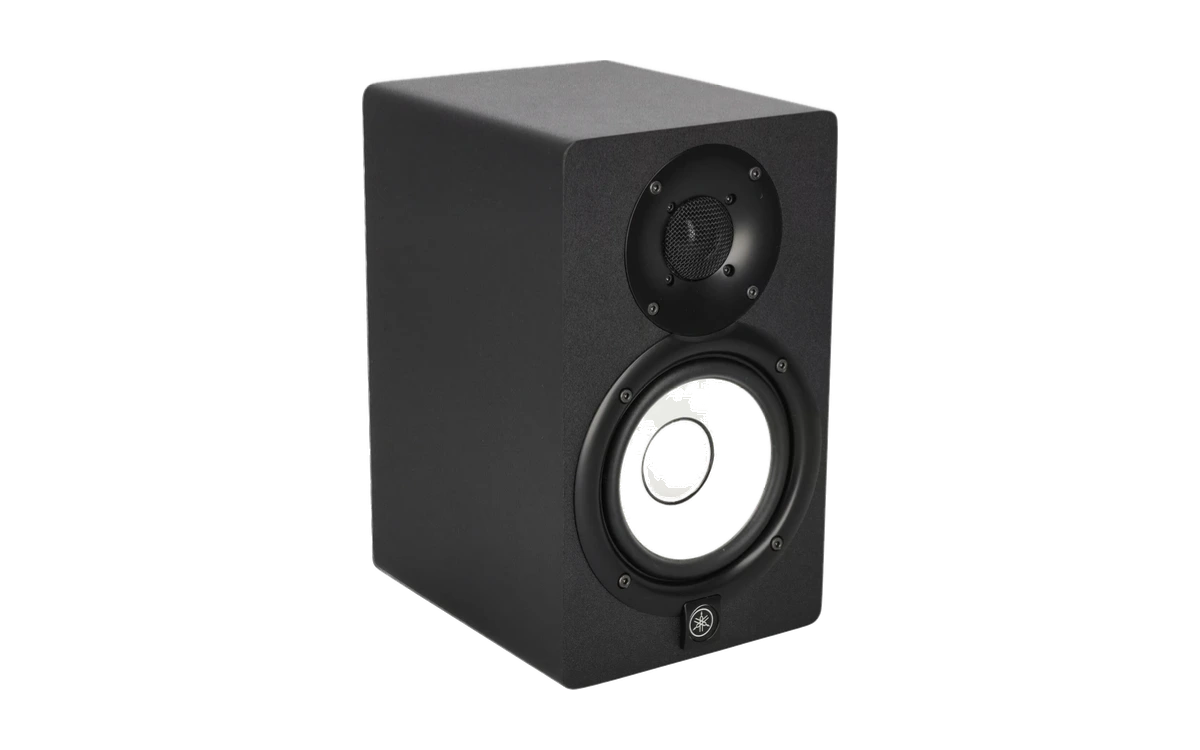
Yamaha
HS5
The white cone every studio knows: neutral, honest, for small rooms.
- Very neutral — you hear mix mistakes immediately
- Compact enough for a desk
- Little deep bass — it won't simulate a club sub
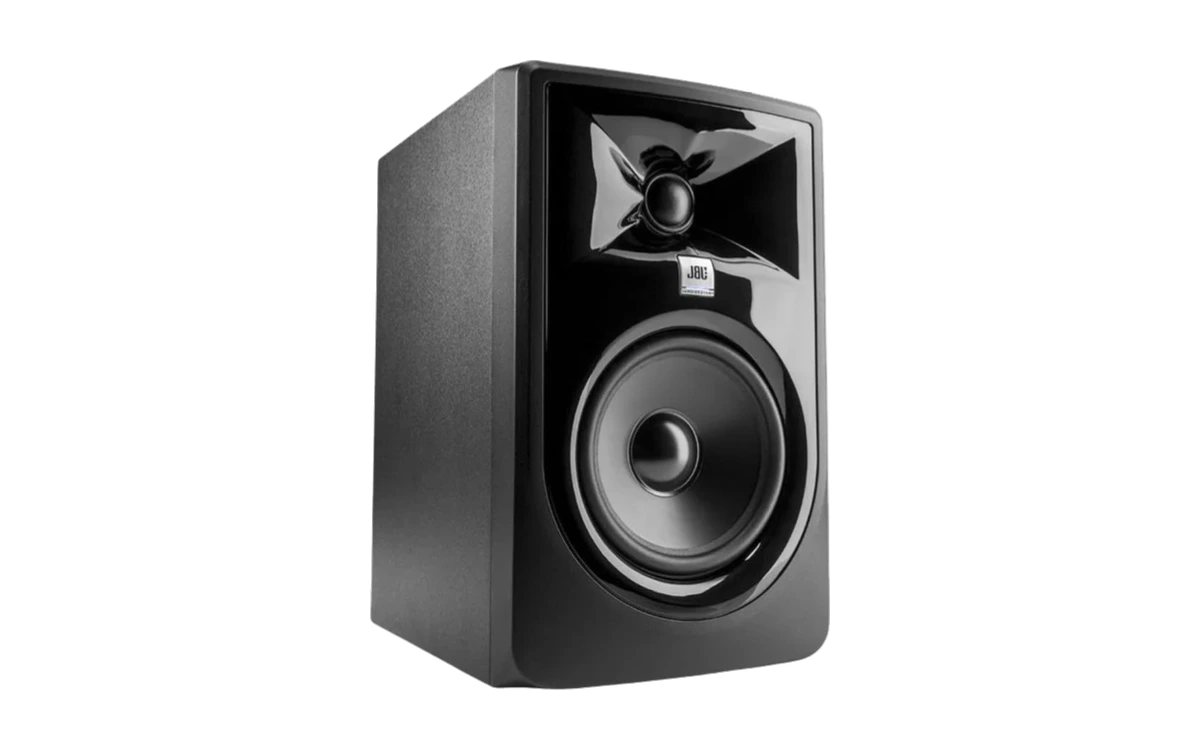
JBL
305P MkII
The value classic among small monitors: wide imaging, clean sound, cheap.
- Wide, even dispersion — the listening position matters less
- Excellent value for money
- Plastic cabinet
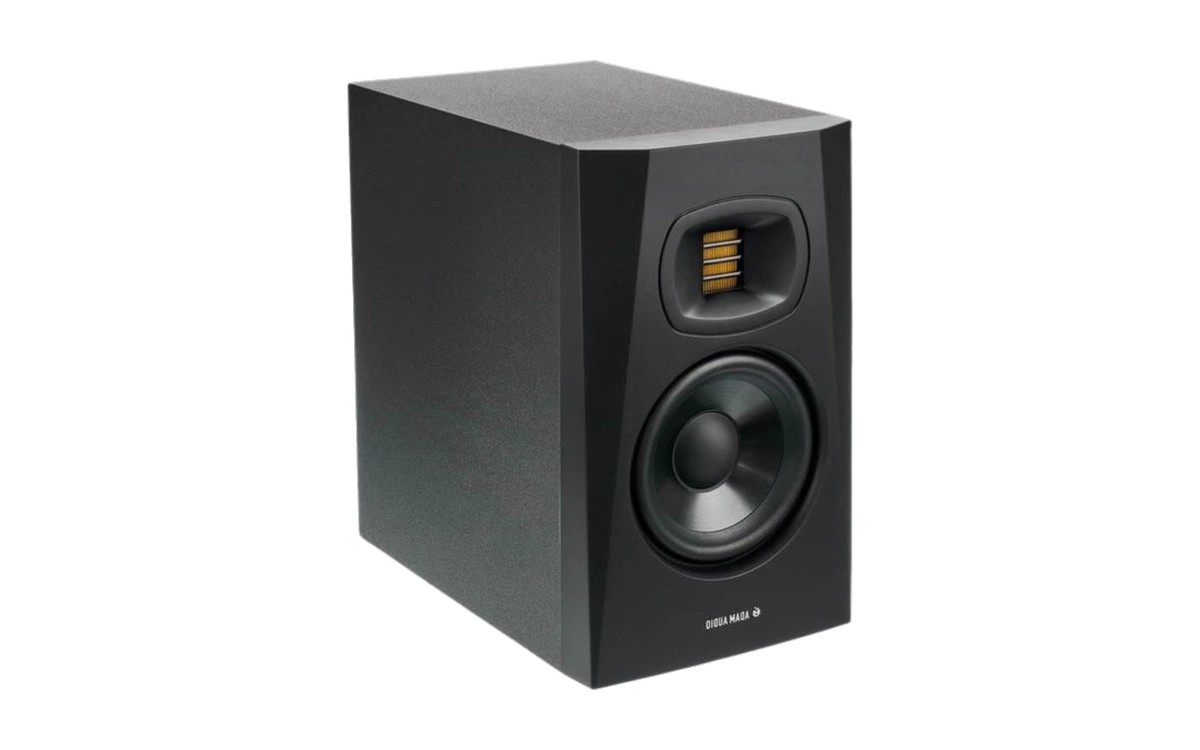
ADAM Audio
T5V
The affordable entry to Berlin's ADAM range: ribbon tweeter, clear highs, compact.
- Ribbon tweeter: very fine highs
- Compact, good for a desk
- Limited bass
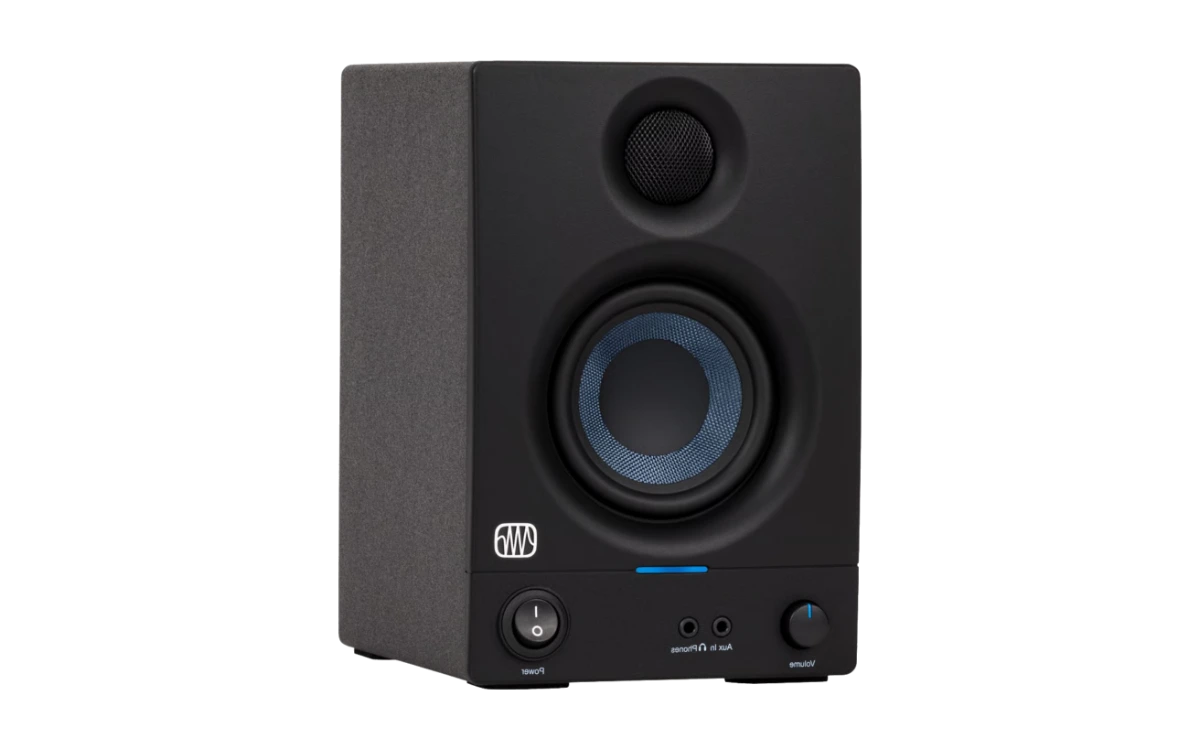
PreSonus
Eris 3.5 (2nd Gen)
A small pair of active speakers for the desk — sold as a pair.
- Sold as a pair — one purchase instead of two
- Fits on any desk
- Little deep bass — kick drums sound thinner than they are
€200 to €350
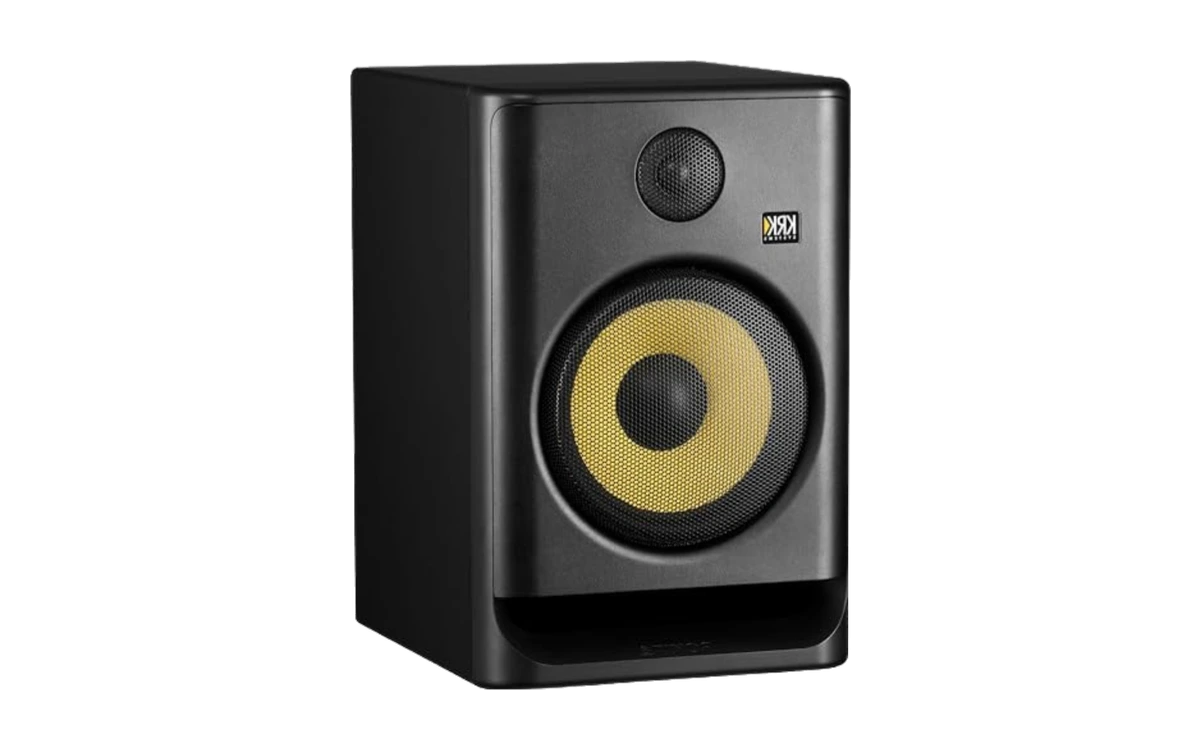
KRK
ROKIT 8 G5
The big ROKIT: more cone area, more bass, more level — for larger rooms.
- Considerably more deep bass than the 5-inch
- Sound tuning via DSP and a display on the back
- Too big for small rooms — it booms
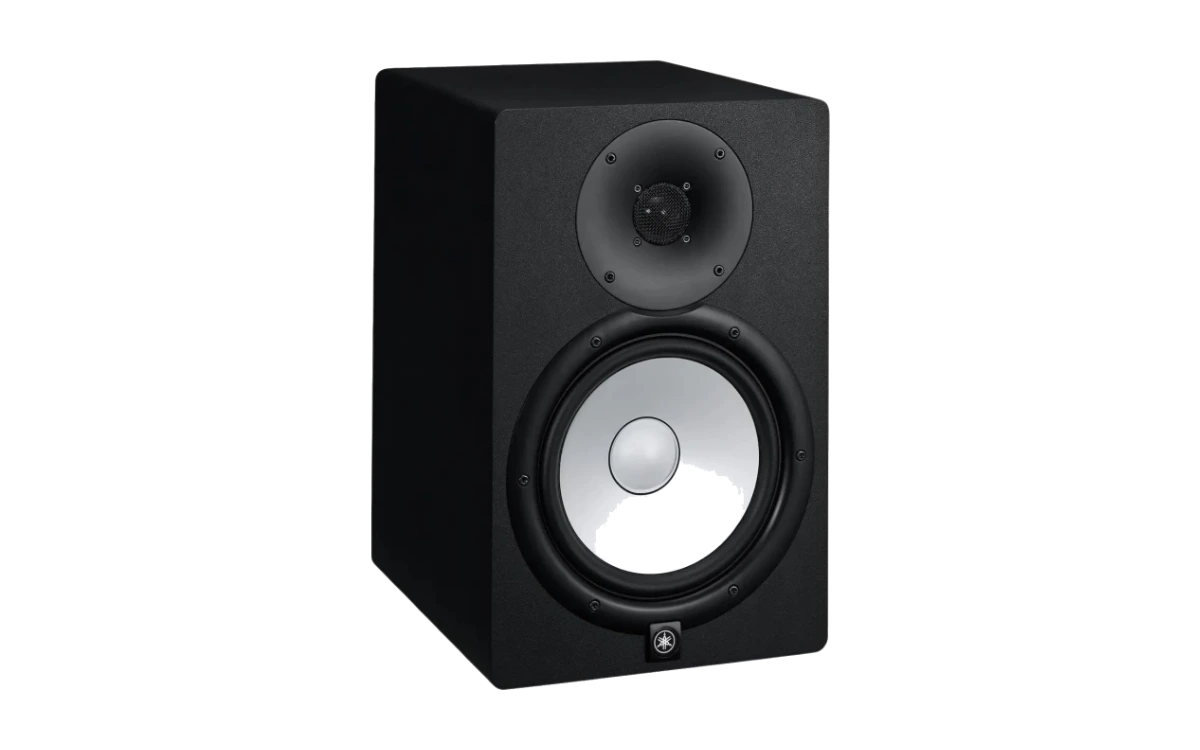
Yamaha
HS7
The HS5 with more room at the bottom: the same honest character, a bigger cone.
- Same sober tuning as the HS5 — just with more foundation
- Enough for a room where the HS5 sounds thin
- Needs distance from the wall or the bass booms
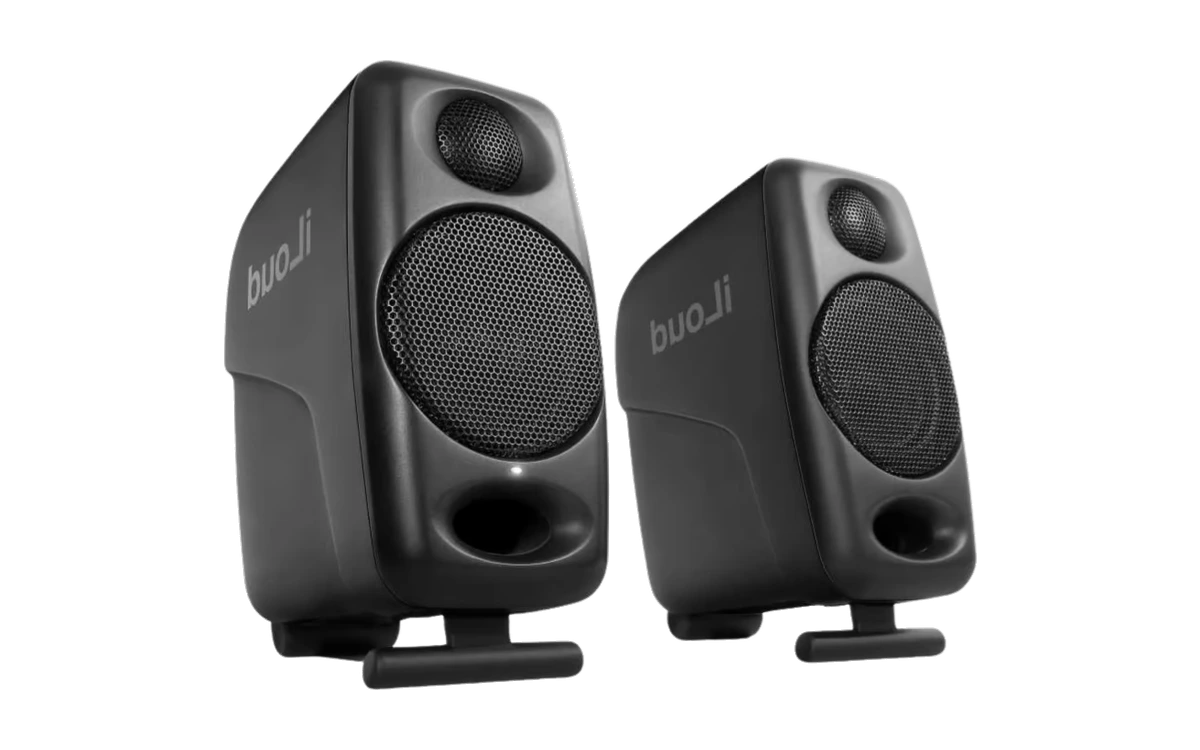
IK Multimedia
iLoud Micro Monitor
Tiny monitors sold as a pair, with Bluetooth and surprisingly much bass — for the desk and for travel.
- Sold as a pair, ready to play
- Surprisingly full for the size
- Limited level — not for parties
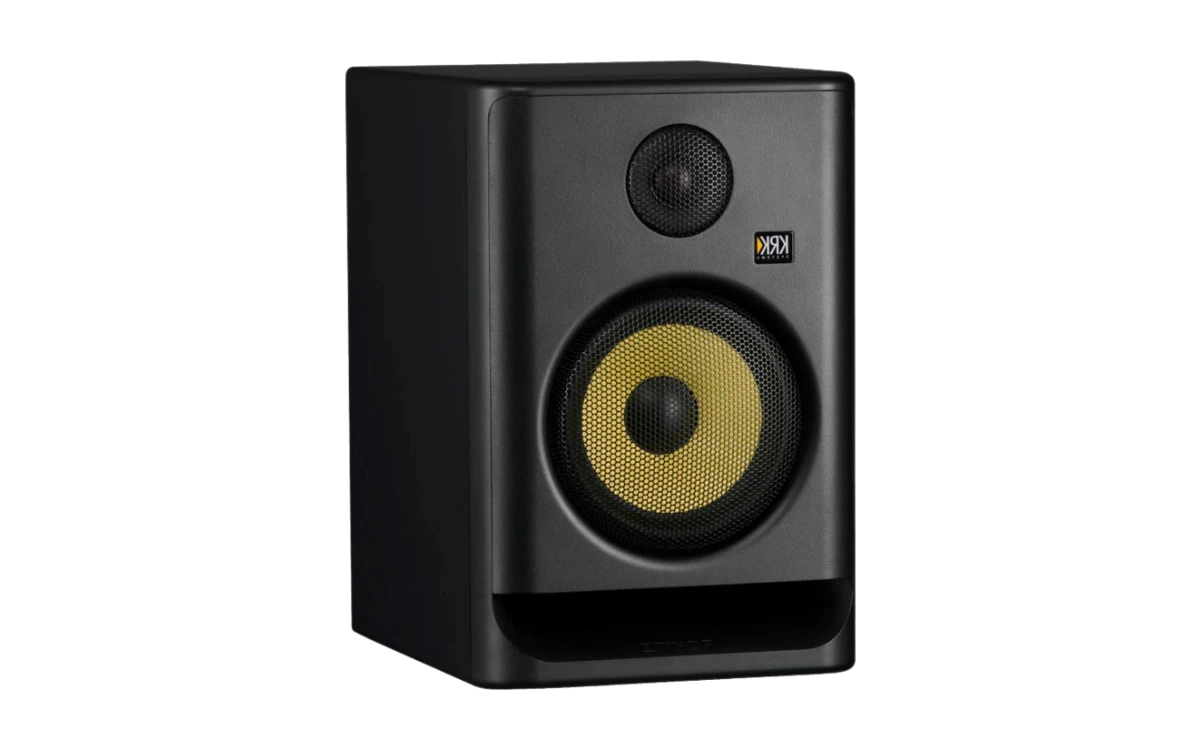
KRK
ROKIT 7 G5
The middle one of the ROKIT range — between the 5 and the 8.
- More depth than the ROKIT 5
- Active, no amplifier needed
- The price is per unit — you need two
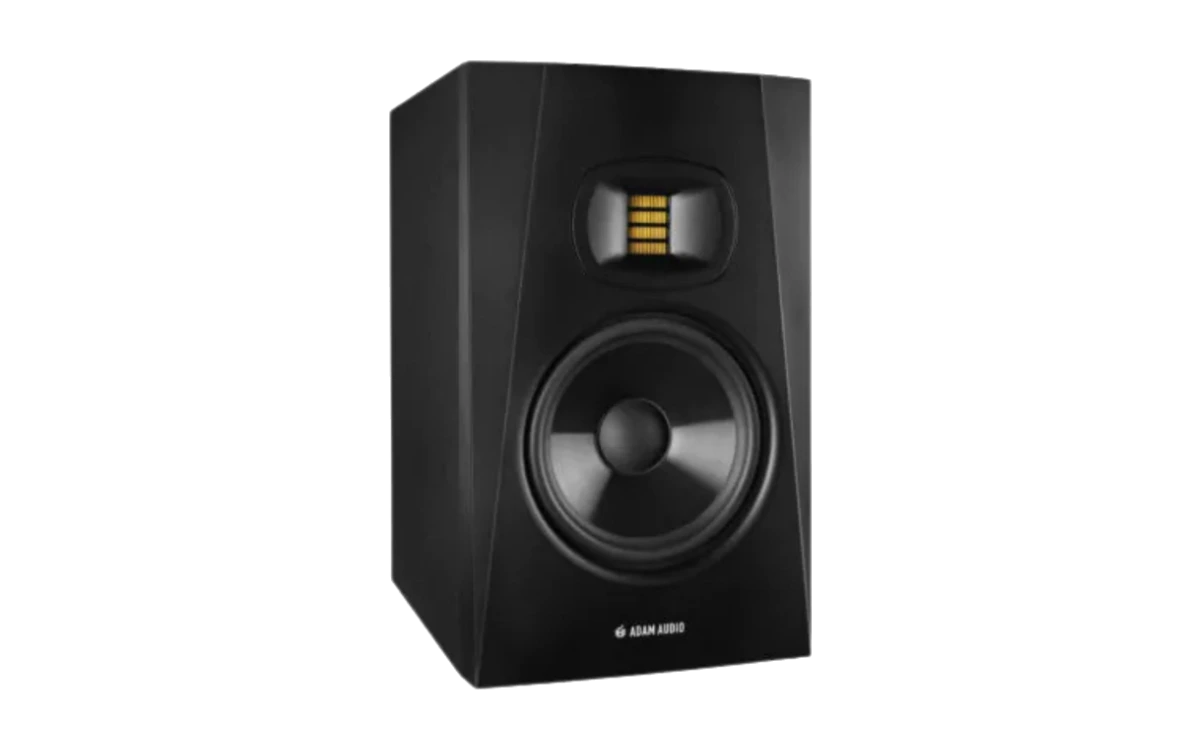
ADAM Audio
T7V
The larger T-series monitor — with the brand's ribbon tweeter.
- Ribbon tweeter, very precise highs
- More depth than the T5V
- The price is per unit
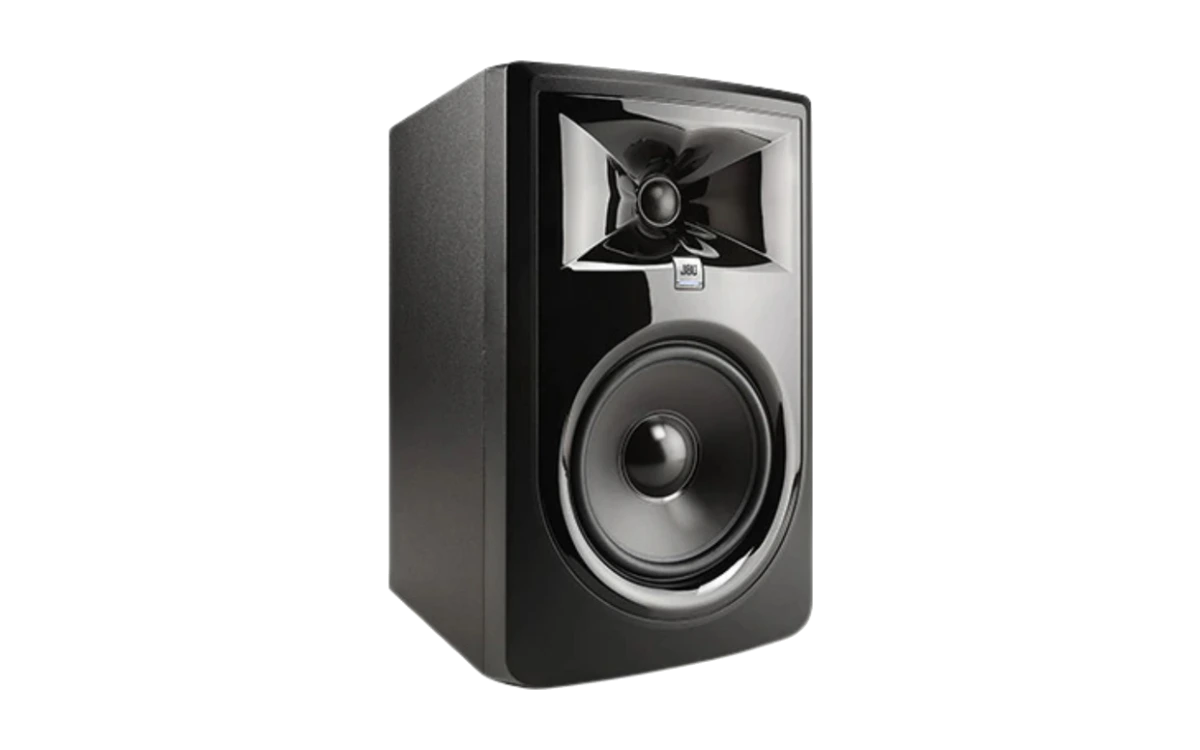
JBL
306P MkII
The bigger of the two JBL monitors — with the range's wide dispersion.
- A wide usable listening area
- More depth than the 305P
- The price is per unit
€350 to €600
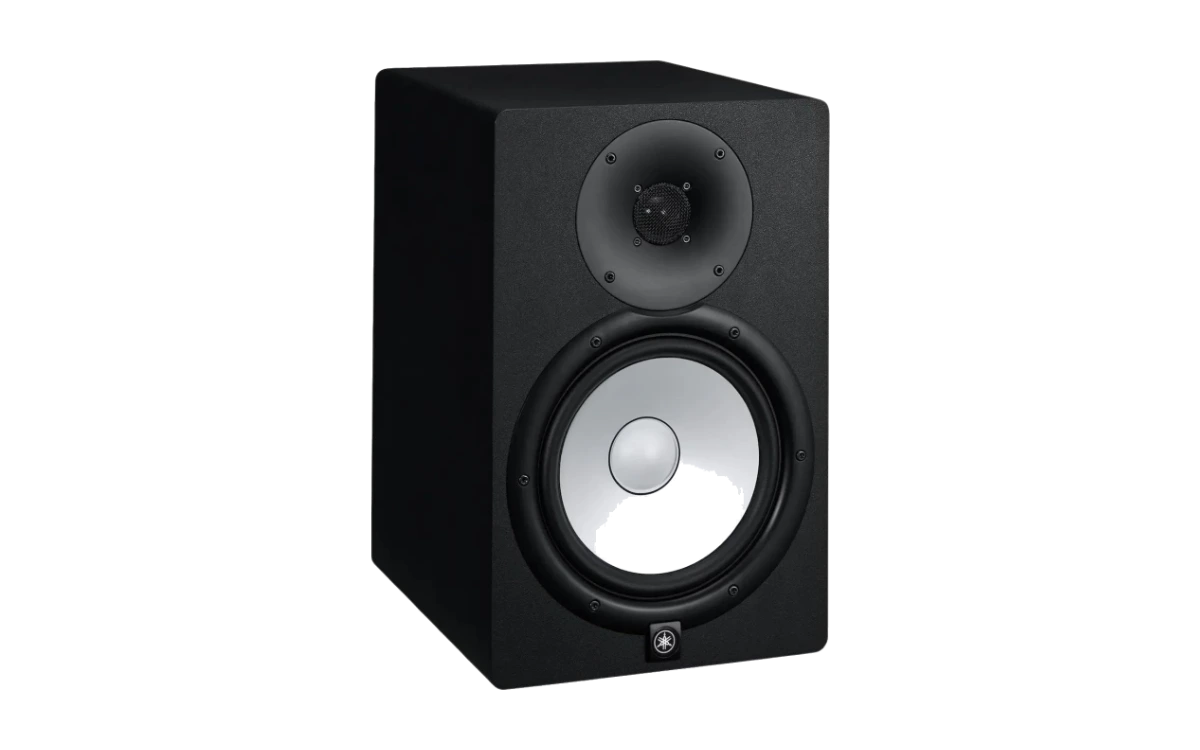
Yamaha
HS8
The largest of the series — for rooms where the smaller siblings starve.
- The bass of the series without an extra subwoofer
- The same neutral character as the HS5 and HS7
- Genuinely needs space — unusable in small rooms
Frequently asked questions
The questions people actually ask before buying — answered from what we can back up. Daily prices are deliberately not part of it.
- Do I need two speakers or is one enough?
- Two. Without stereo you cannot hear where anything sits in the image, and that is half the information when mixing. Important for your budget: with most models the price is per unit. Only the small desktop pairs are sold as a pair — we say so on every product.
- Are my Bluetooth speakers enough to practise on?
- For practising, yes — you can learn beatmatching on anything that makes a sound. For judging, no: speakers like that flatter the bass and smear the highs, and over a wireless link the sound arrives late. Your mix sounds good there and nowhere else.
- What size fits on my desk?
- In a small room the smaller monitor is usually the better one. A large woofer in an untreated room mostly produces room modes — bass that booms in one spot and is missing two steps away. More important than the driver size is that both speakers sit at ear height and the same distance away.
- Can I use them to cover a party?
- No. Studio monitors are built for the near field, for one to two metres and one listener. Turning them up until a room is full drives them into their limits and risks the tweeter. An audience needs a PA — that is a different class of device.
Other categories
Everything together, filterable by setup and budget, is in the catalogue. Why we recommend what we recommend is in the buying guide. To the equipment catalogueTo the buying guide