
Head to head
ROKIT 8 G5 vs. HS8
Both are Speakers in the same price bracket (€200 to €350) — which is why you genuinely hesitate between them. Here is what our register says about both, side by side, including what speaks against them.
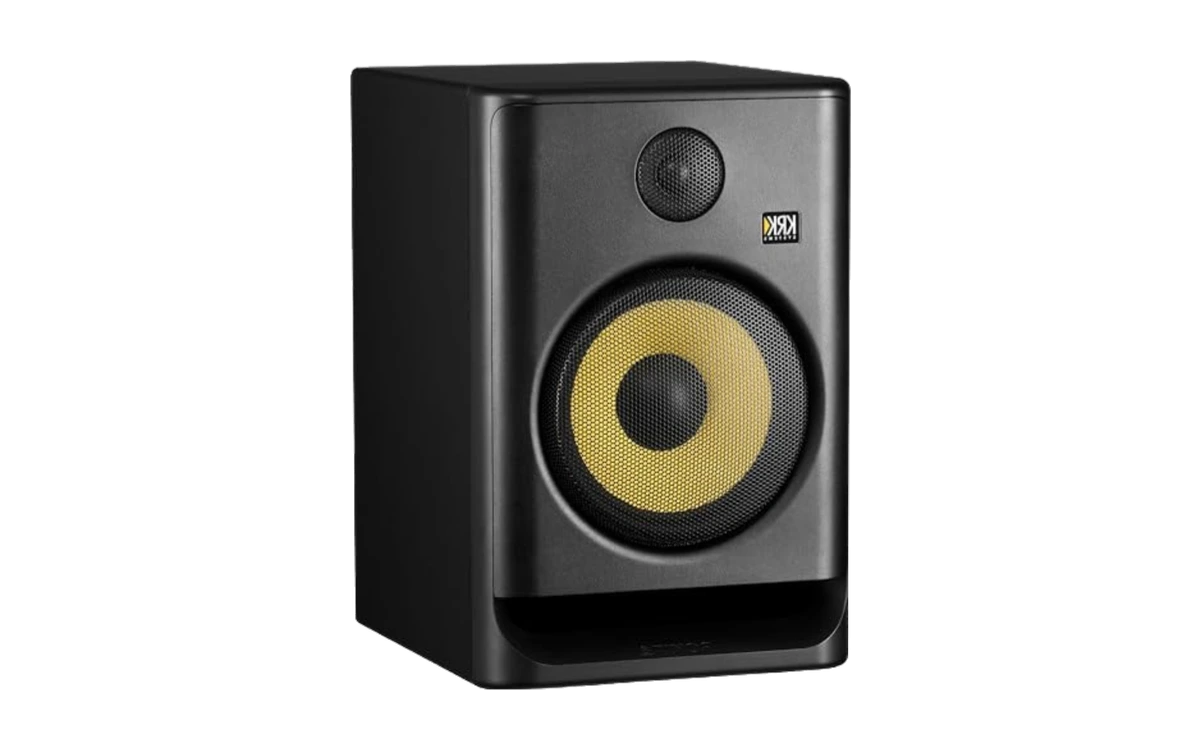
KRK
ROKIT 8 G5
The big ROKIT: more cone area, more bass, more level — for larger rooms.
For
- Considerably more deep bass than the 5-inch
- Sound tuning via DSP and a display on the back
- Loud enough for a house party
Against
- Too big for small rooms — it booms
- Sold individually
- Less neutral than Yamaha HS
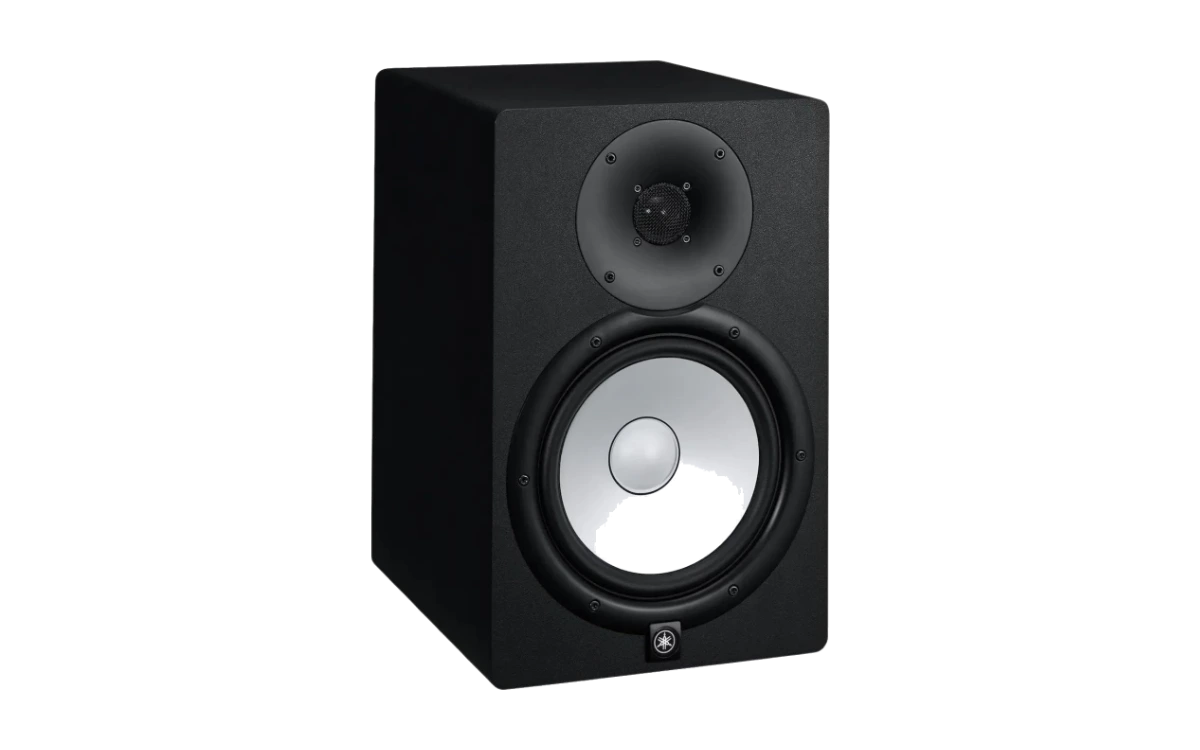
Yamaha
HS8
The largest of the series — for rooms where the smaller siblings starve.
For
- The bass of the series without an extra subwoofer
- The same neutral character as the HS5 and HS7
- Room adjustment via switches on the back
Against
- Genuinely needs space — unusable in small rooms
- Sold individually: buy two
- Considerably heavier and pricier than the HS5
Where it says “Ad” we earn a commission if you buy through the link — on the other routes we earn nothing. Either way you pay the same price, and it changes nothing about our recommendation. How we handle this
The key facts side by side
| Feature | ROKIT 8 G5 | HS8 |
|---|---|---|
| Manufacturer | KRK | Yamaha |
| Price bracket | €200 to €350 | €200 to €350 |
| Our classification | Step up | Step up |
| Meant for | Controller setup, Vinyl setup | Laptop only, Controller setup, Vinyl setup |
Where they differ
- They are built for different ways of playing: at home, in a club, or for scratching. That is the difference that matters most day to day.
- They suit different paths — someone starting with vinyl needs a different device than someone on a controller.
- Different manufacturers, so different software ecosystems, spare parts and control logic. If you already own gear from one brand, that is a reason in itself.
We deliberately crown no winner here. What we can back up is above; anything else would be a claim, and there are plenty of those on this question already.
More comparisons: Speakers
You picked your gear — now what?
The learning path takes you from the first cable to your first set: 12 phases, step by step, free. It works with any device — including the one you already own.