
Buyer's overview
DJ turntables: 11 devices at a glance
The key difference is the drive: a direct drive pulls away instantly and holds the tempo when you touch the record — a belt drive does not. For beatmatching, and certainly for scratching, that is where everything is decided. Above that it comes down to torque and build. And whichever model you pick: you need two, plus a cartridge each and a mixer.
€100 to €200
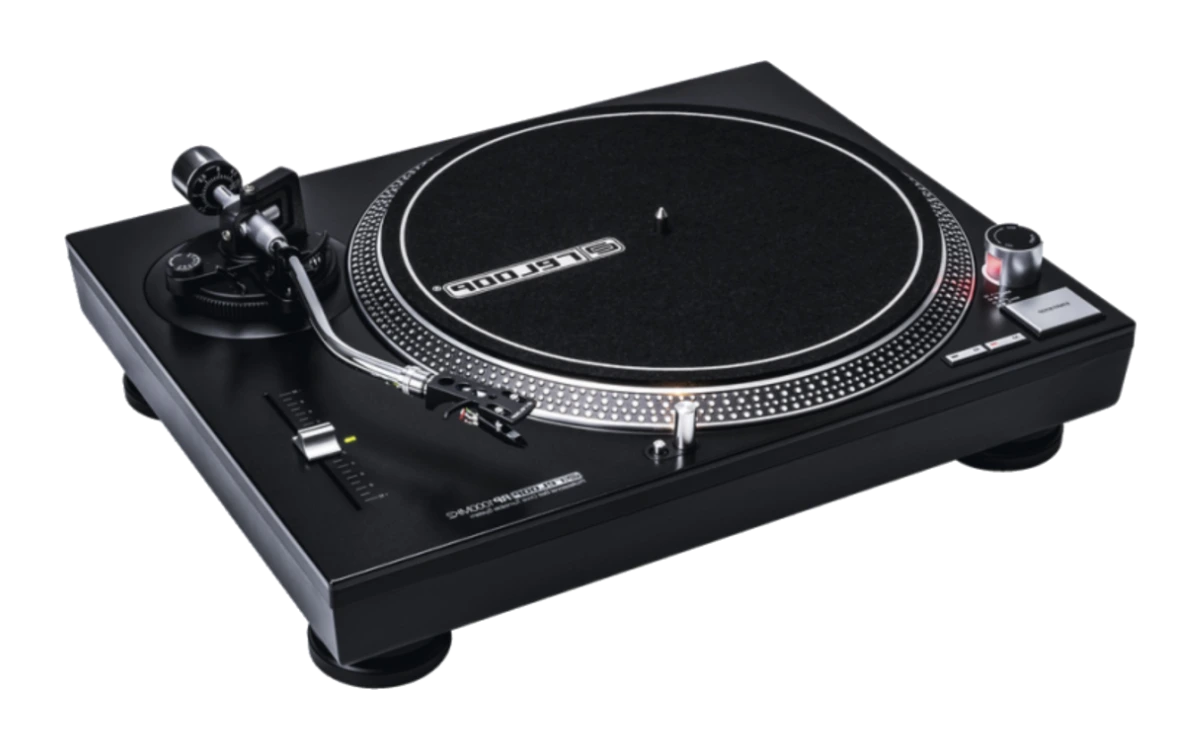
Reloop
RP-1000 MK2
A belt-driven turntable for a first contact with vinyl — below the direct-drive decks.
- The cheapest way to a record
- Enough for listening and first practice
- Belt drive: slower to beatmatch than direct drive
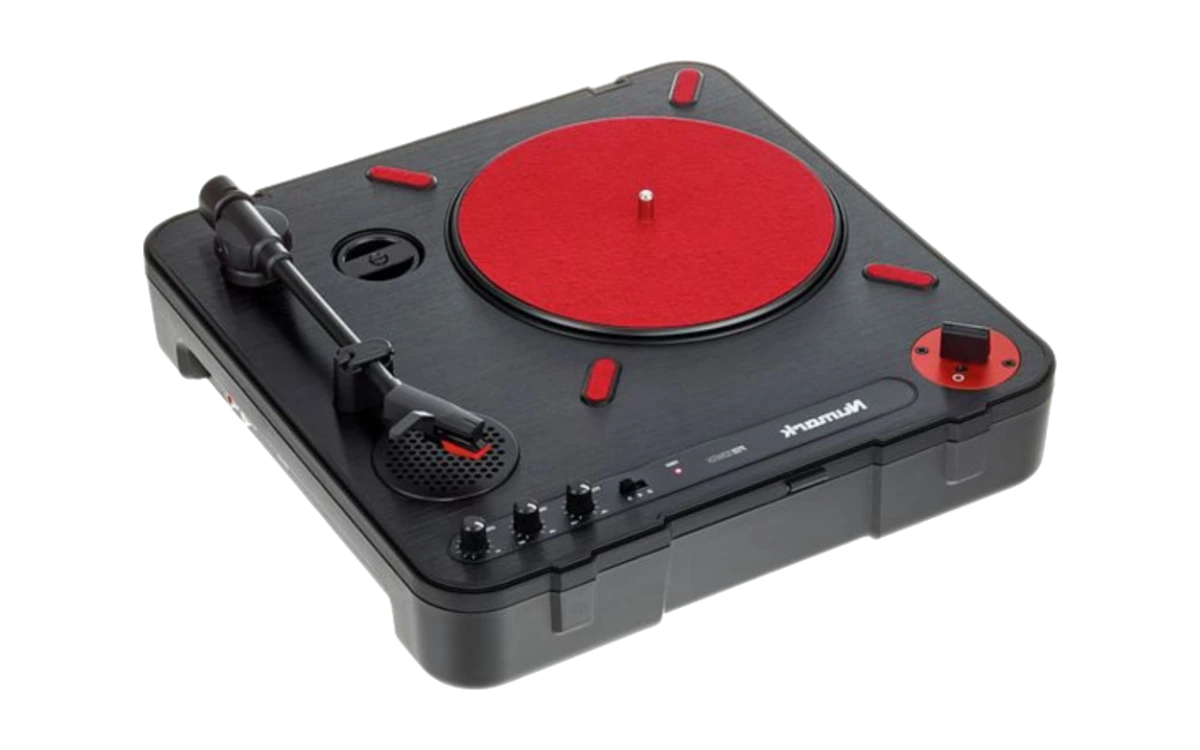
Numark
PT01 Scratch
A portable turntable with a built-in crossfader — built for scratching, not for mixing.
- The crossfader is built in — no mixer needed
- Portable, runs without mains power
- One deck: not meant for mixing two records
€200 to €350
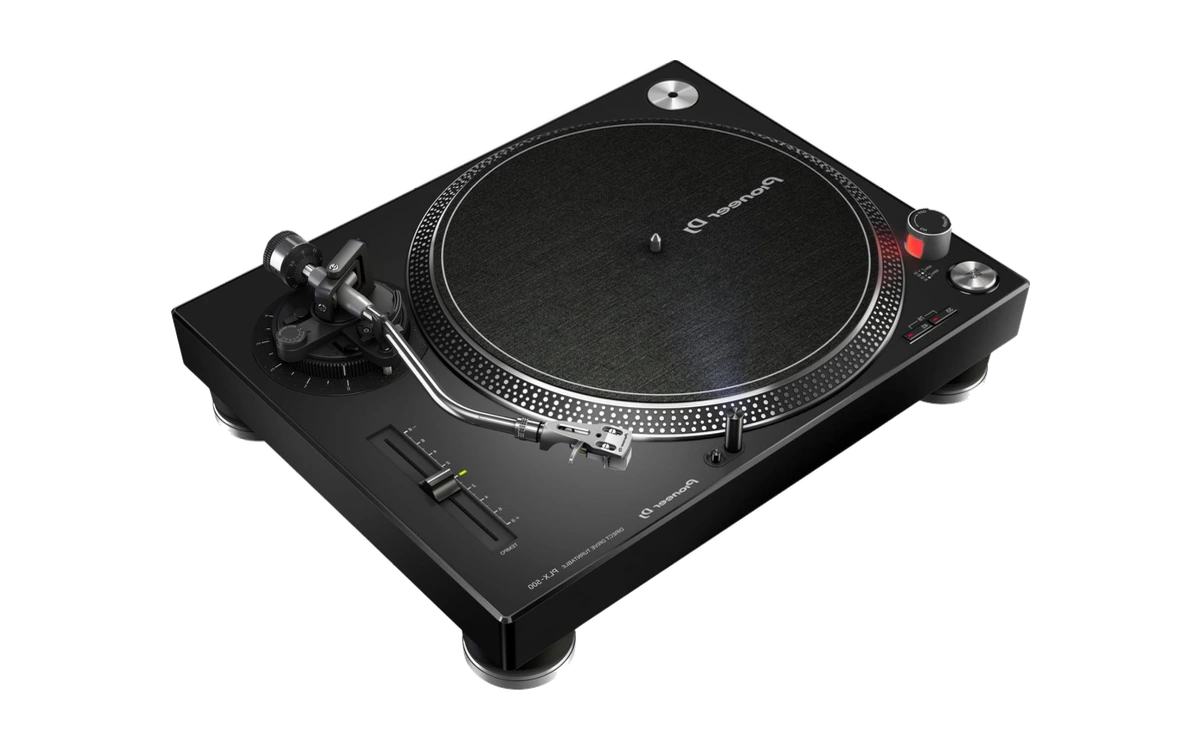
Pioneer DJ
PLX-500
A direct-drive turntable in the classic DJ layout — the way into a vinyl setup.
- Direct drive, DJ layout
- Cartridge included
- You need two of these plus a mixer
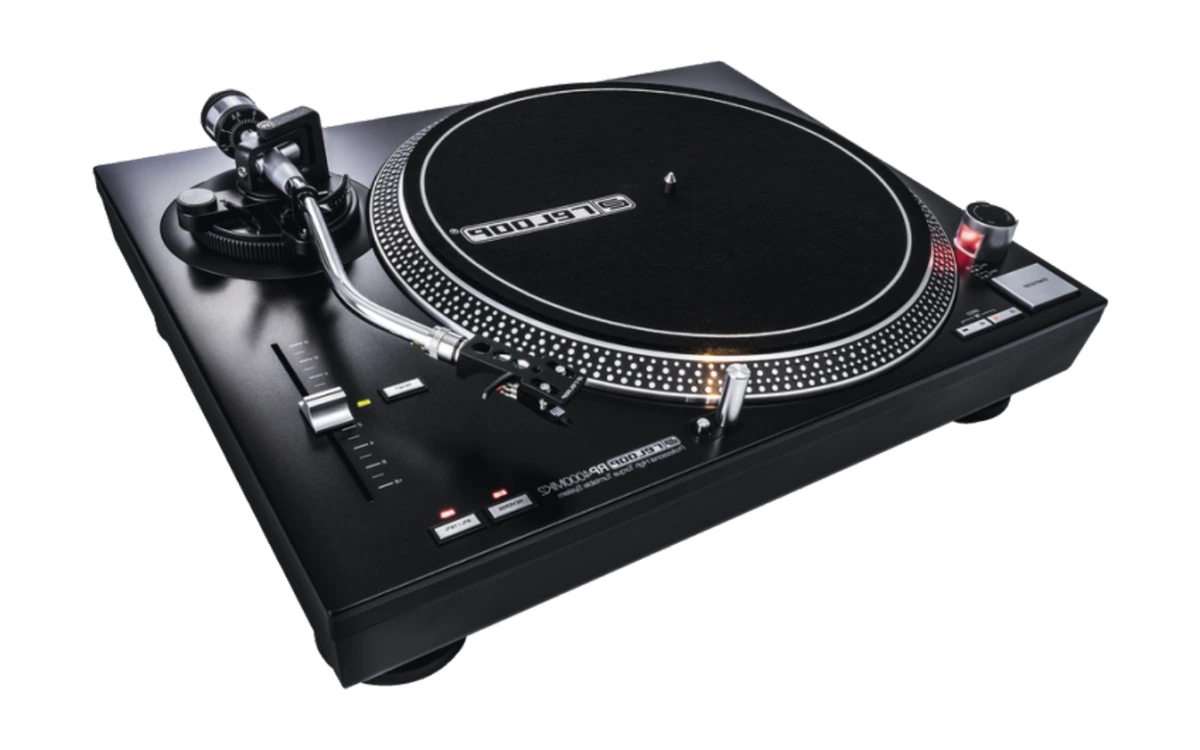
Reloop
RP-4000 MK2
The cheapest Reloop with direct drive and decent torque — the entry point below the RP-7000.
- Direct drive, DJ-ready
- Switchable pitch range
- Less torque than RP-7000 and PLX
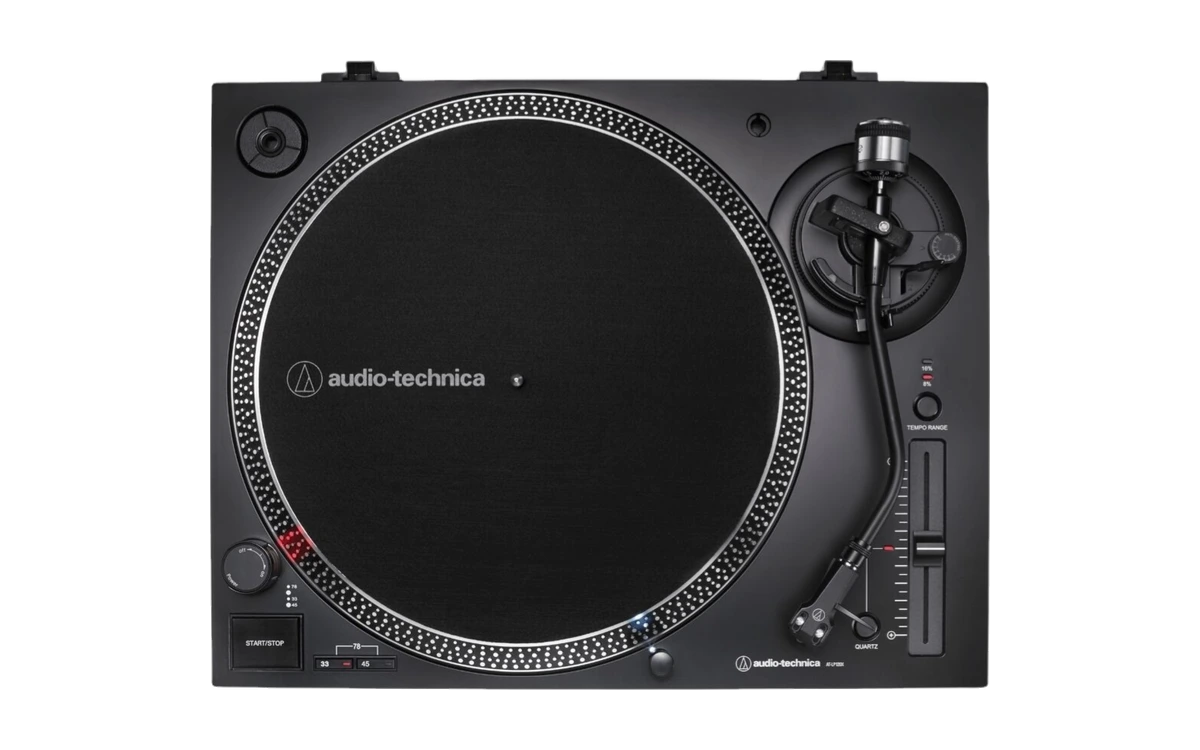
Audio-Technica
AT-LP120XUSB
Direct drive with a built-in preamp and USB — works with any mixer and any computer.
- Built-in preamp: works even without a PHONO input
- USB for digitising
- Less torque than real club turntables
€350 to €600
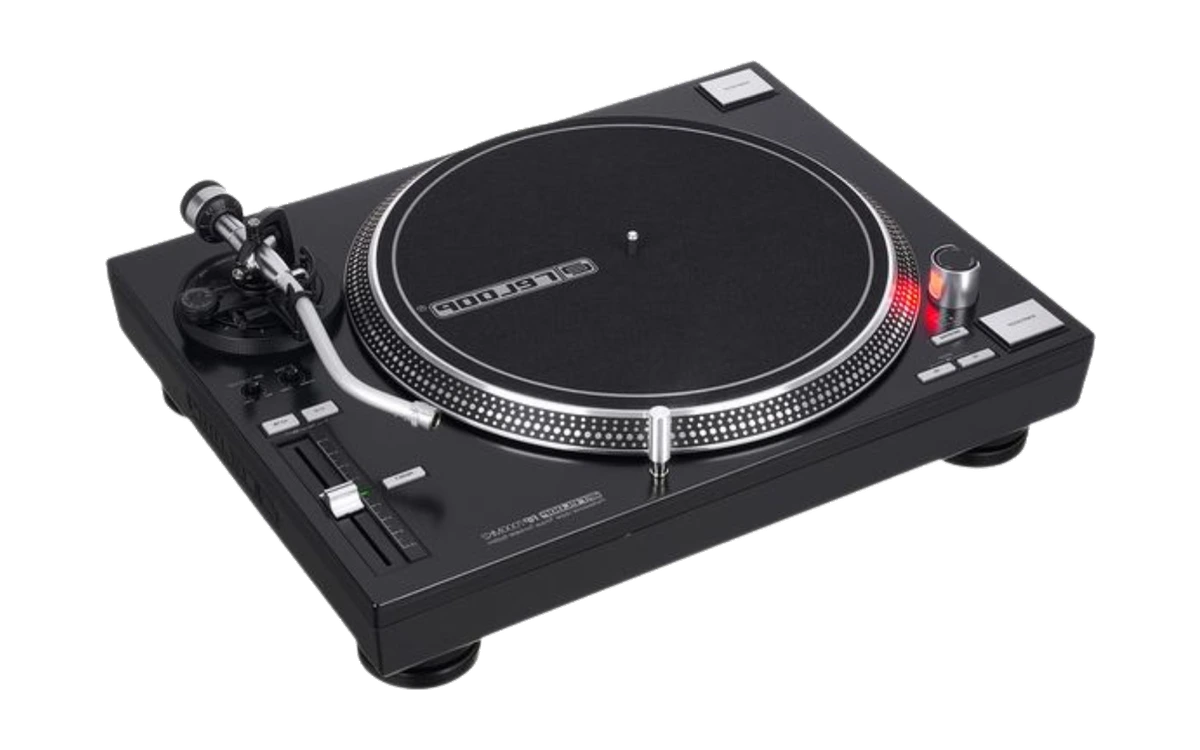
Reloop
RP-7000 MK2
A turntable with a strong direct drive and metal chassis — for scratching and long sessions.
- Strong direct drive, fast start-up
- Heavy and stable
- More expensive than the entry level
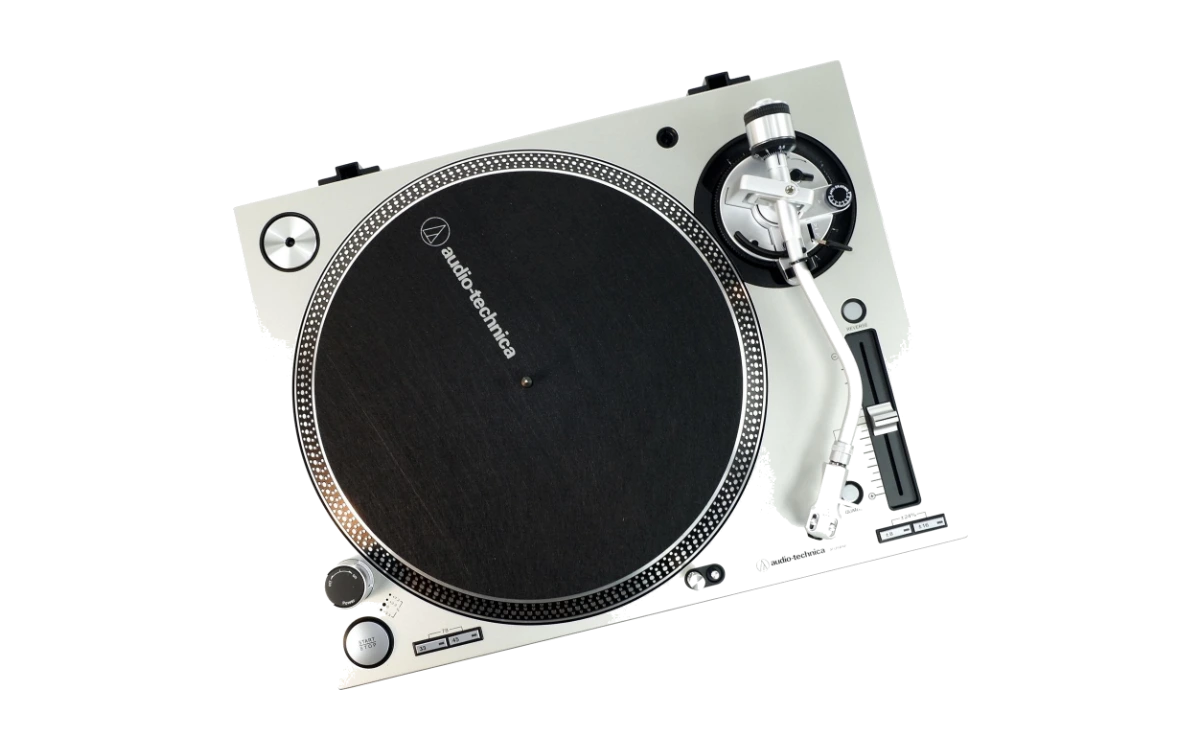
Audio-Technica
AT-LP140XP
Direct drive in the classic cut — the DJ variant above the LP120X.
- Strong direct drive
- Classic layout you will find anywhere
- No USB, unlike the LP120X
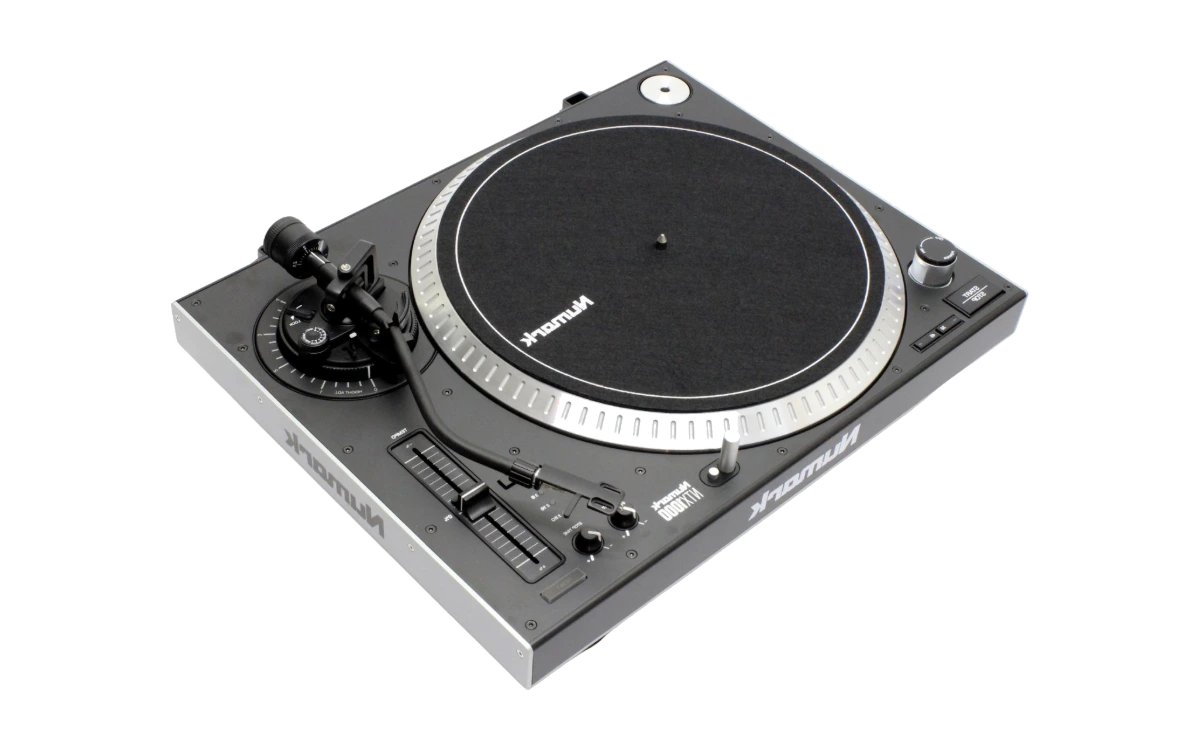
Numark
NTX1000
Direct drive in the classic shape — the cheaper alternative to PLX and SL-1200.
- Strong direct drive
- Familiar layout
- Build quality below Technics level
over €600
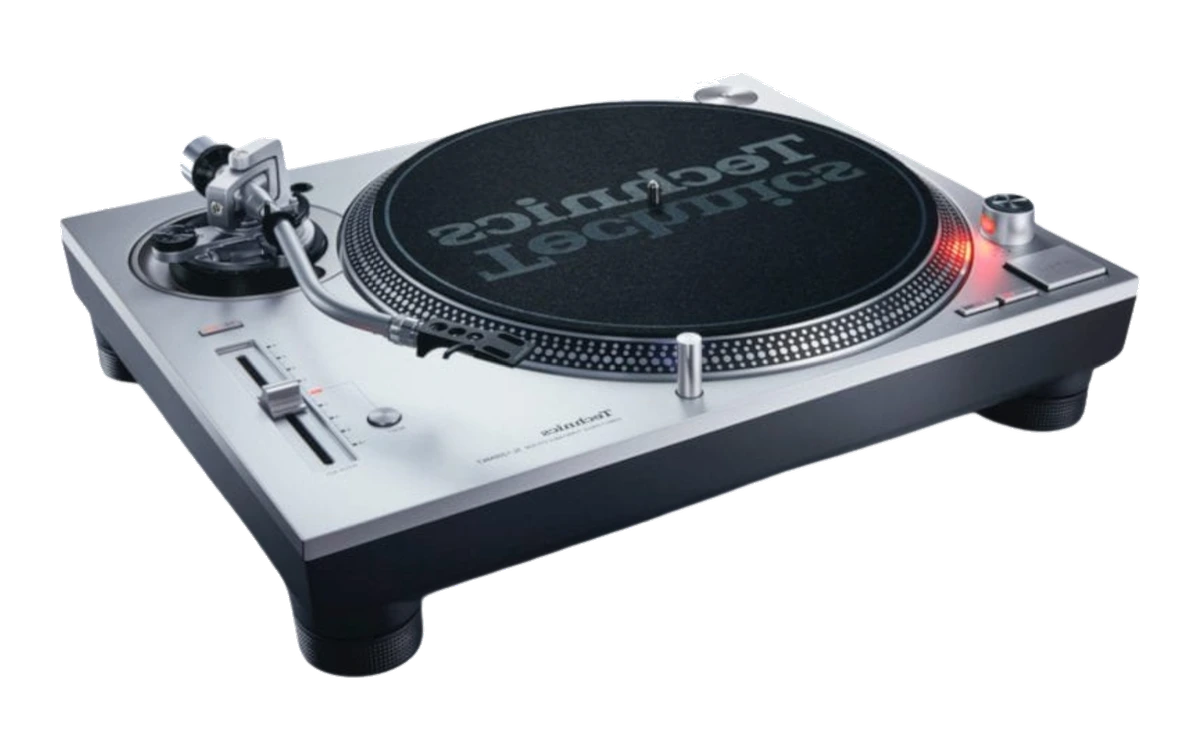
Technics
SL-1200MK7
The reissue of the turntable that shaped DJing: direct drive, smooth running, spare parts for decades.
- Torque and stability as the reference
- Reverse play and switchable pitch range
- Expensive — and you need two
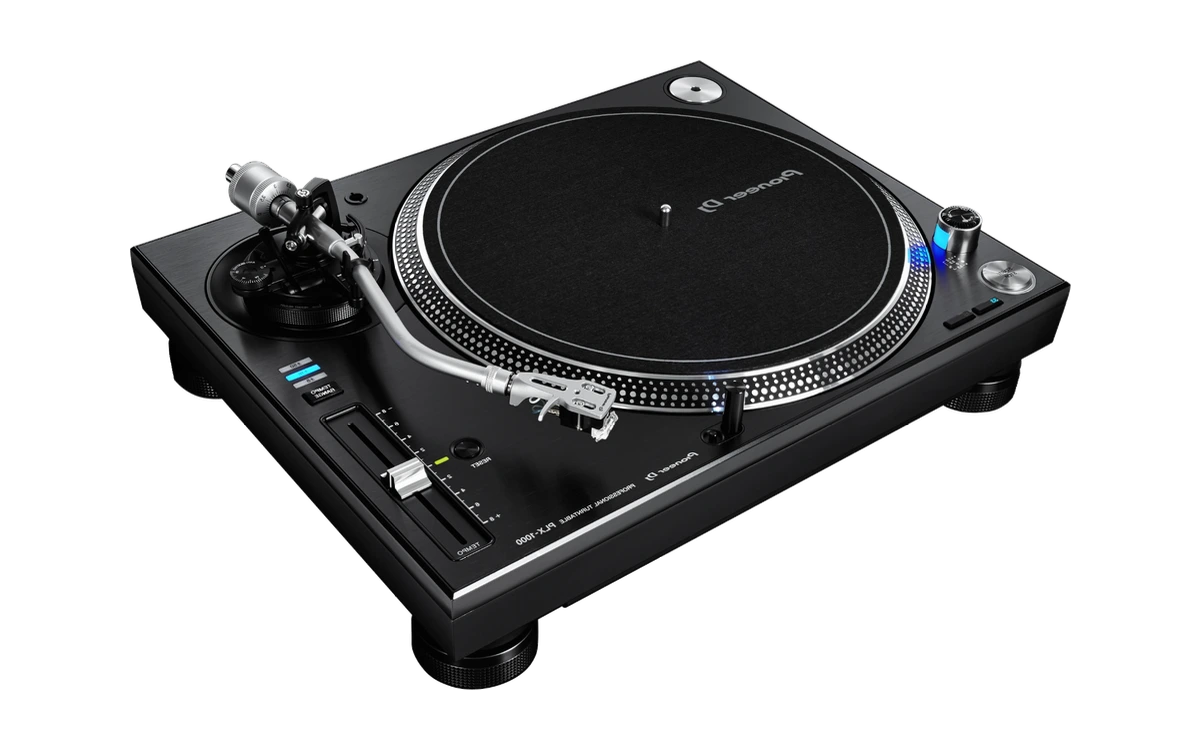
Pioneer DJ
PLX-1000
Pioneer DJ's answer to the Technics: strong direct drive, heavy chassis, club-ready.
- High torque, fast start-up
- Heavy chassis against feedback
- Expensive, two needed
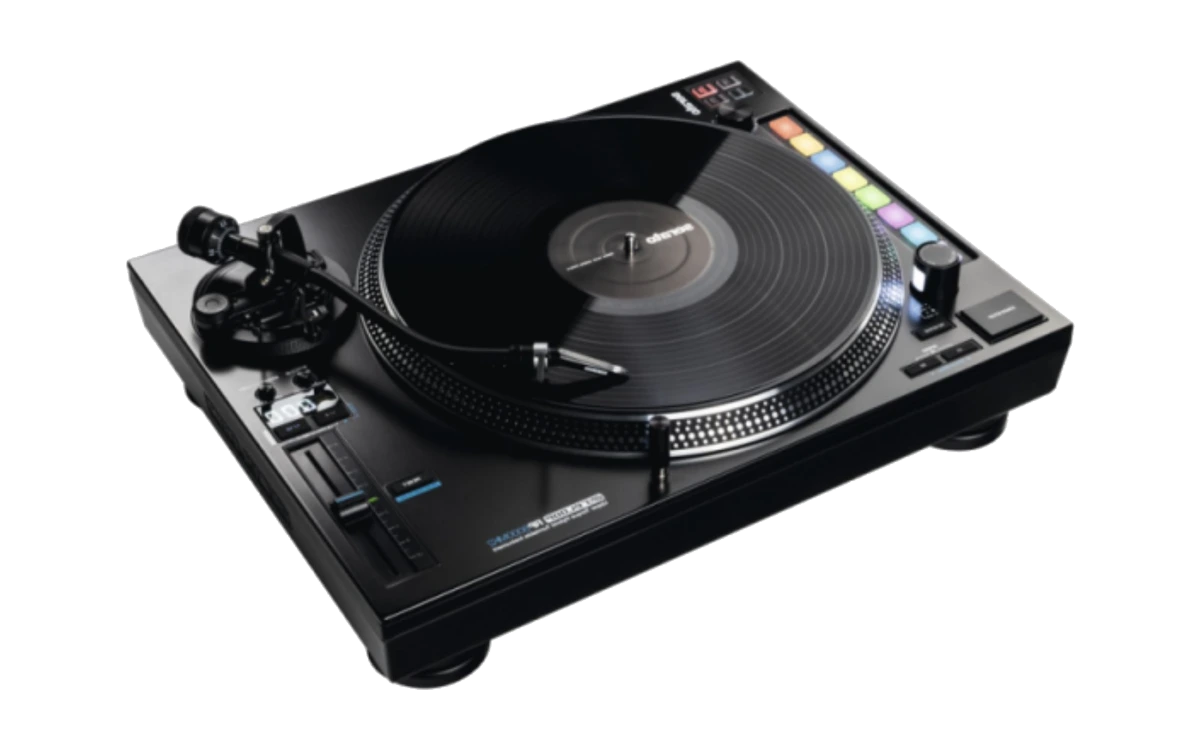
Reloop
RP-8000 MK2
A turntable with performance pads — vinyl and Serato functions on the same unit.
- Pads on the turntable
- Strong torque
- The pads only help with the matching software
Frequently asked questions
The questions people actually ask before buying — answered from what we can back up. Daily prices are deliberately not part of it.
- Direct drive or belt drive?
- Direct drive. The motor sits right under the platter, starts instantly and holds the tempo when you touch the record. A belt gives way — unpleasant for beatmatching and disqualifying for scratching. This is the one point where you should not save money on a turntable.
- Do I need two turntables?
- To mix, yes — with one you can play records but not transition. On top of that come a mixer and one cartridge per deck. A vinyl setup is therefore not a single purchase but four or five items, and that is exactly where most budget plans come apart.
- Why is there no concrete figure here?
- Because we track price classes, not daily prices. What a unit costs today depends on the dealer, the exchange rate and the week; what does not change is the class it plays in. A figure that is wrong a week later does not help you plan.
- Can I play digital music on turntables?
- Yes — with a digital vinyl system. You put timecode records on, an interface translates their signal, and the software plays your files. The movement stays the same, the record box does not. For that you additionally need the interface and software that supports DVS.
Other categories
Everything together, filterable by setup and budget, is in the catalogue. Why we recommend what we recommend is in the buying guide. To the equipment catalogueTo the buying guide