
Buyer's overview
DJ headphones: 12 devices at a glance
A DJ headphone needs three things: isolation, so you hear the next track over the PA; cups that swivel, so one ear stays free; and enough build to survive a long night. Sound accuracy comes after that. Paying more mostly buys durability and better spare parts — above €350 the choice gets thin for DJ purposes.
up to €100
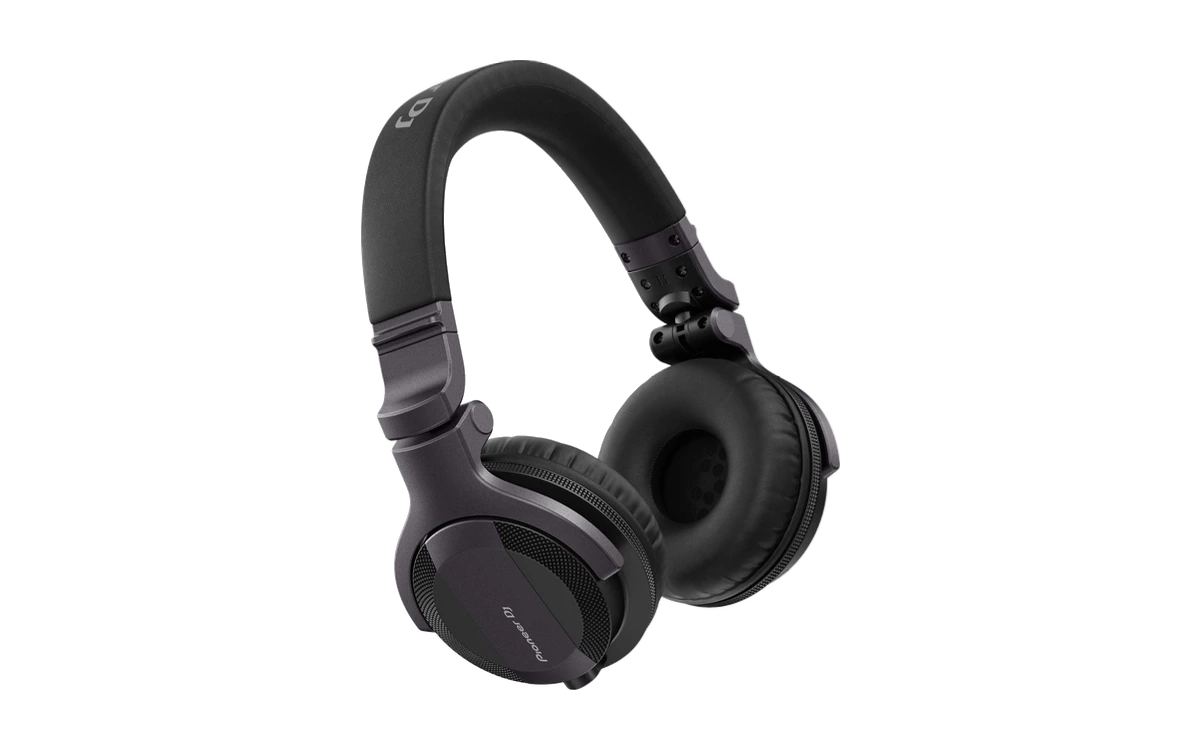
Pioneer DJ
HDJ-CUE1
Closed-back DJ headphones for cueing — the affordable way in.
- Closed back, blocks out the room
- Swivelling ear cup for one-ear listening
- Plastic, less robust than the club standard
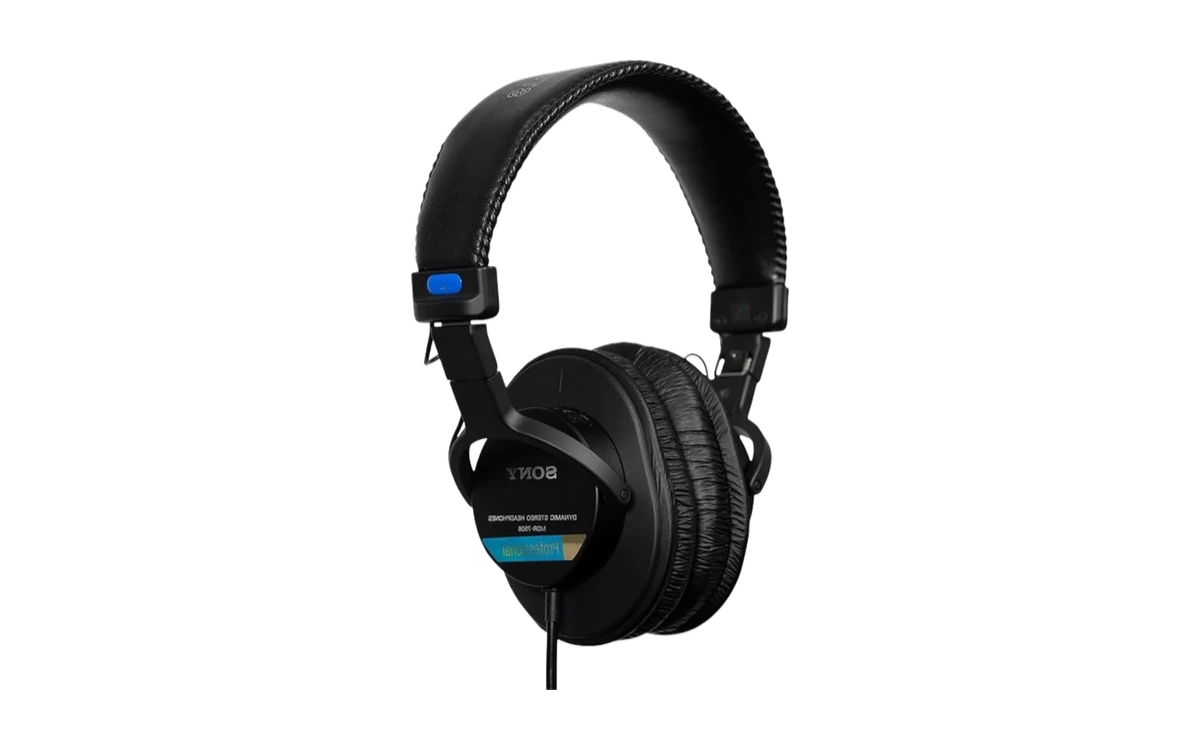
Sony
MDR-7506
The studio standard since the nineties: light, foldable, closed back, available everywhere.
- Cheap and unchanged for decades
- Foldable, light
- Fixed coiled cable
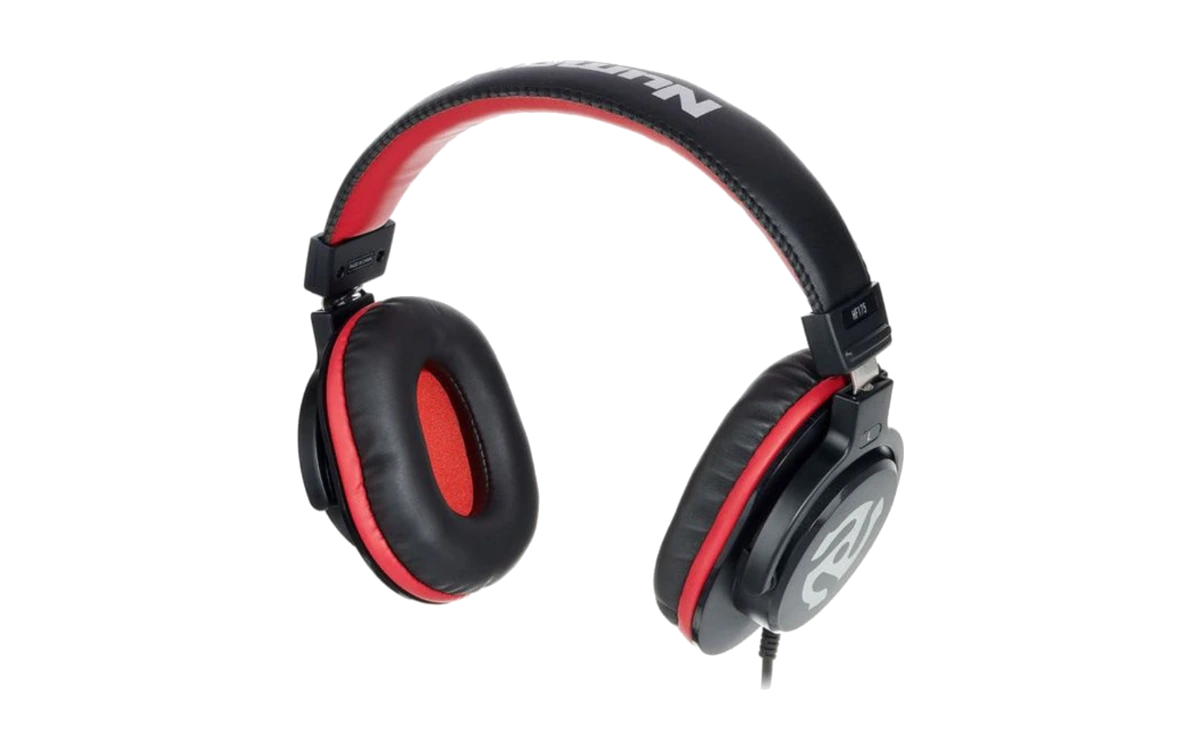
Numark
HF175
A closed entry-class DJ headphone — the cups swivel for one-ear cueing.
- Swivelling cups for cueing
- Folds up for transport
- Less durable than an HD 25
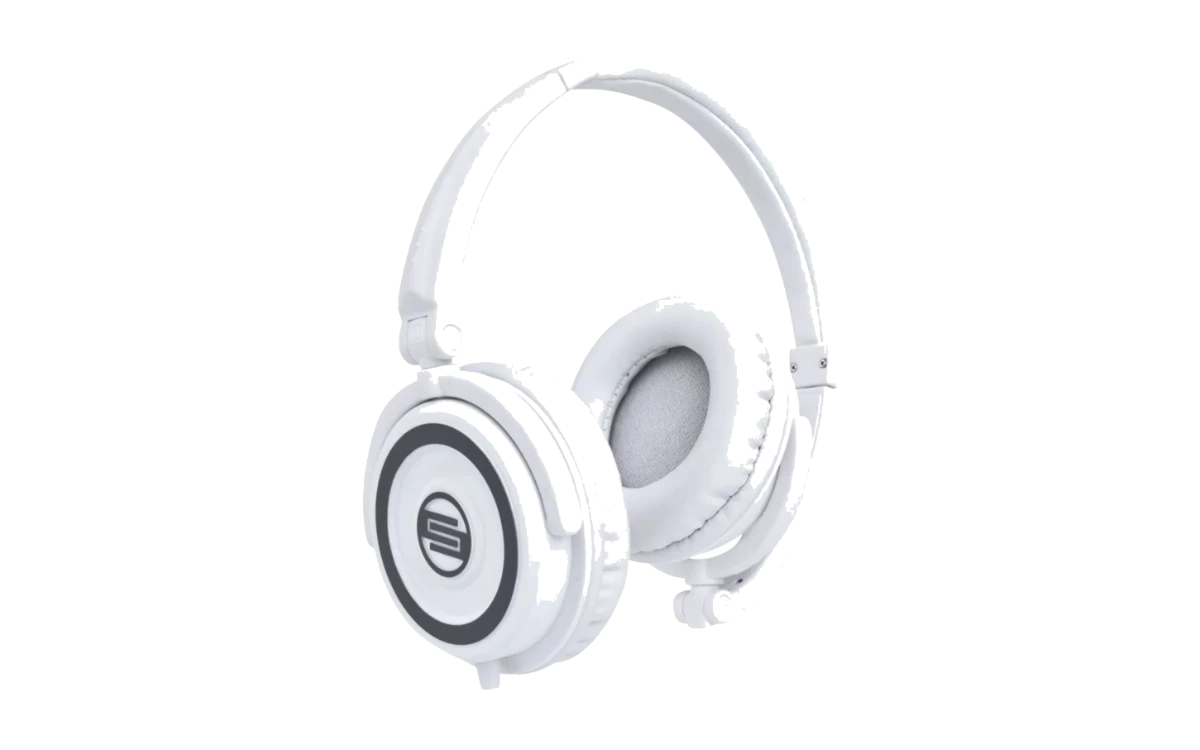
Reloop
RHP-5
A light entry-class DJ headphone — folds down small.
- Very light on the head
- Folds for the bag
- Thinner pads than the classics
€100 to €200
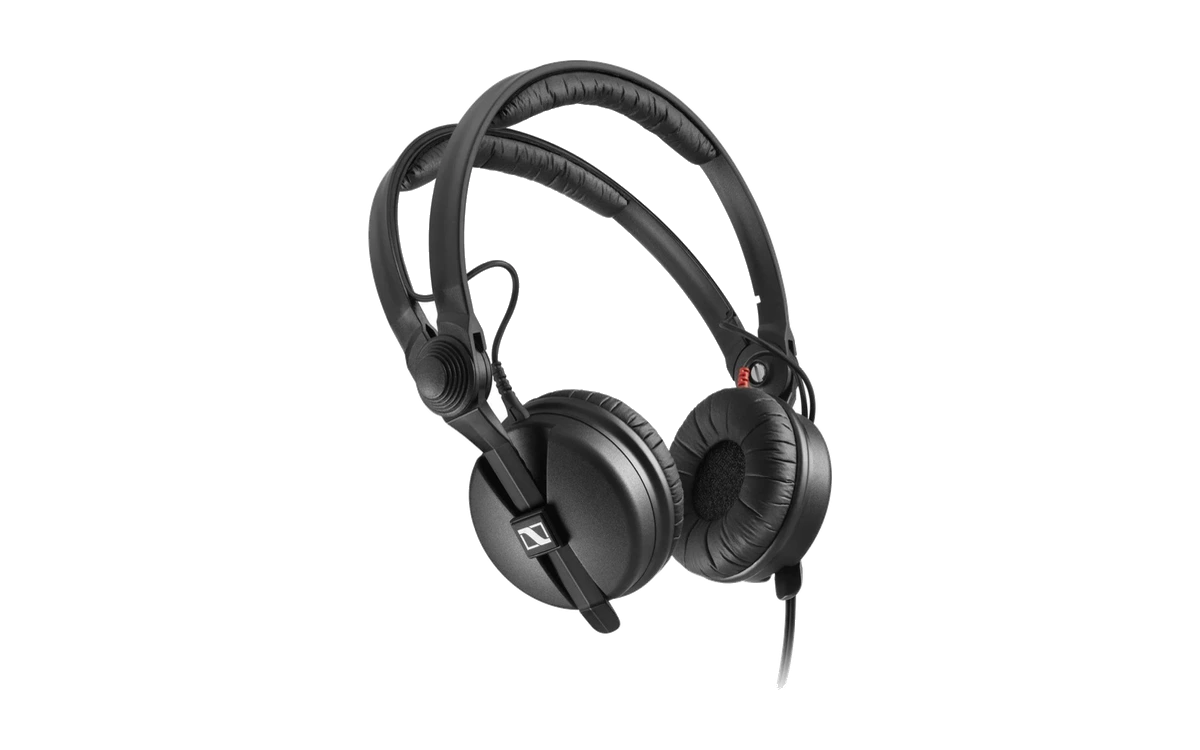
Sennheiser
HD 25
The club standard for decades: light, loud, closed back, every part replaceable.
- Very robust, every part available as a spare
- High isolation, loud enough for the stage
- Tight fit — not everyone likes that for hours
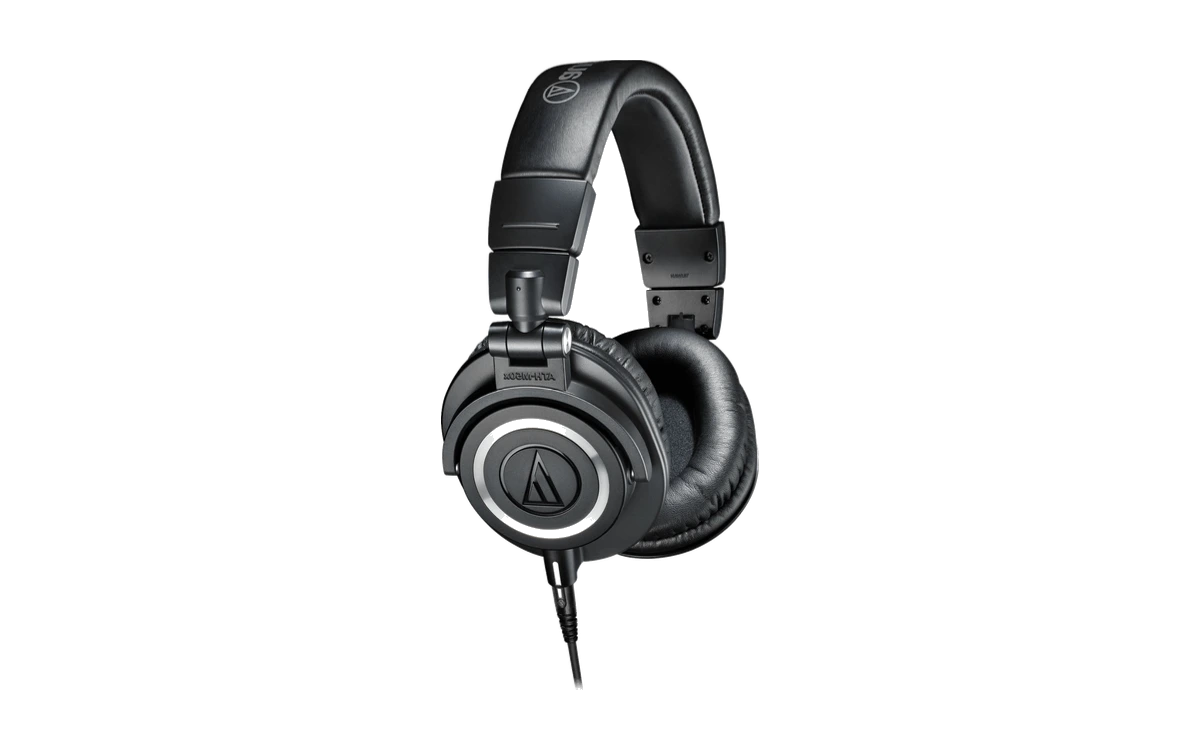
Audio-Technica
ATH-M50x
Closed-back studio headphones, popular with DJs for their sound.
- Very good sound
- Comfortable over longer periods
- Bigger and heavier than the HD 25
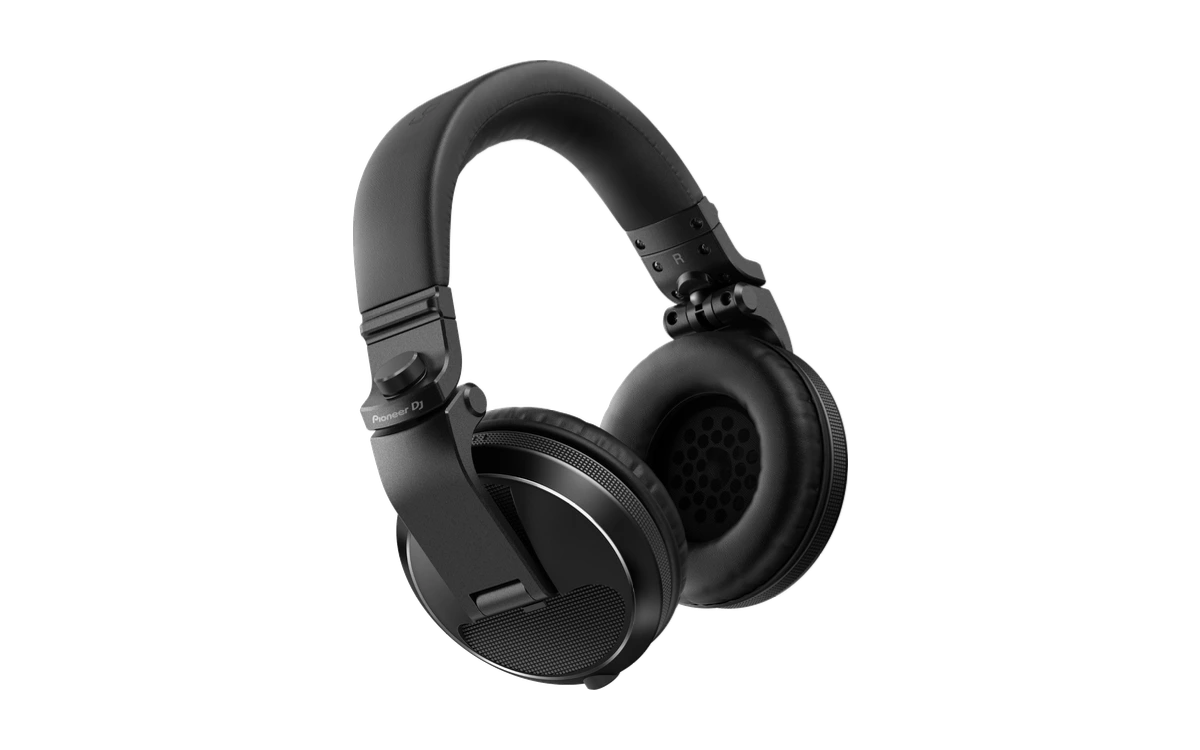
Pioneer DJ
HDJ-X5
The entry point to the HDJ-X range: closed back, swivelling cups, robust enough for the booth.
- Swivelling cups for one-ear monitoring
- Closed back, good isolation
- Sound and build one step below the X7
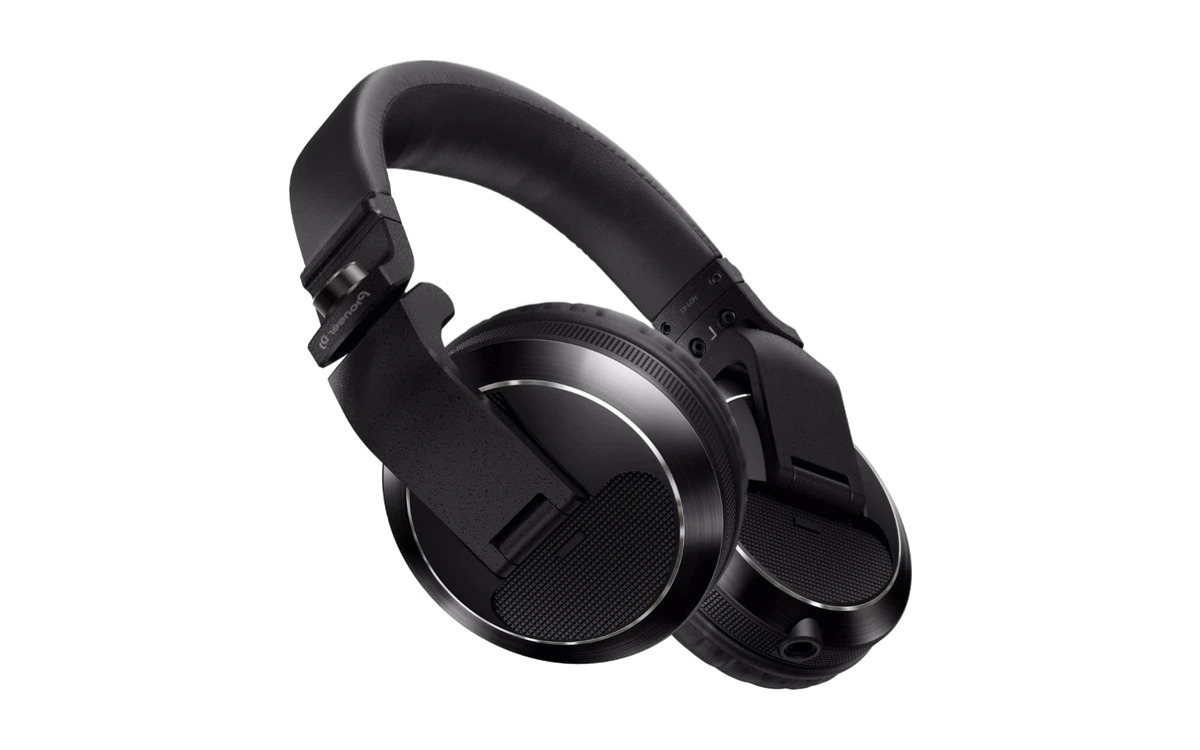
Pioneer DJ
HDJ-X7
The workhorse of the HDJ-X range: louder, fuller and sturdier than the X5, with swivelling cups and spare parts.
- Handles high levels, loud without distorting
- Swivelling cups, foldable
- Heavier than the HD 25
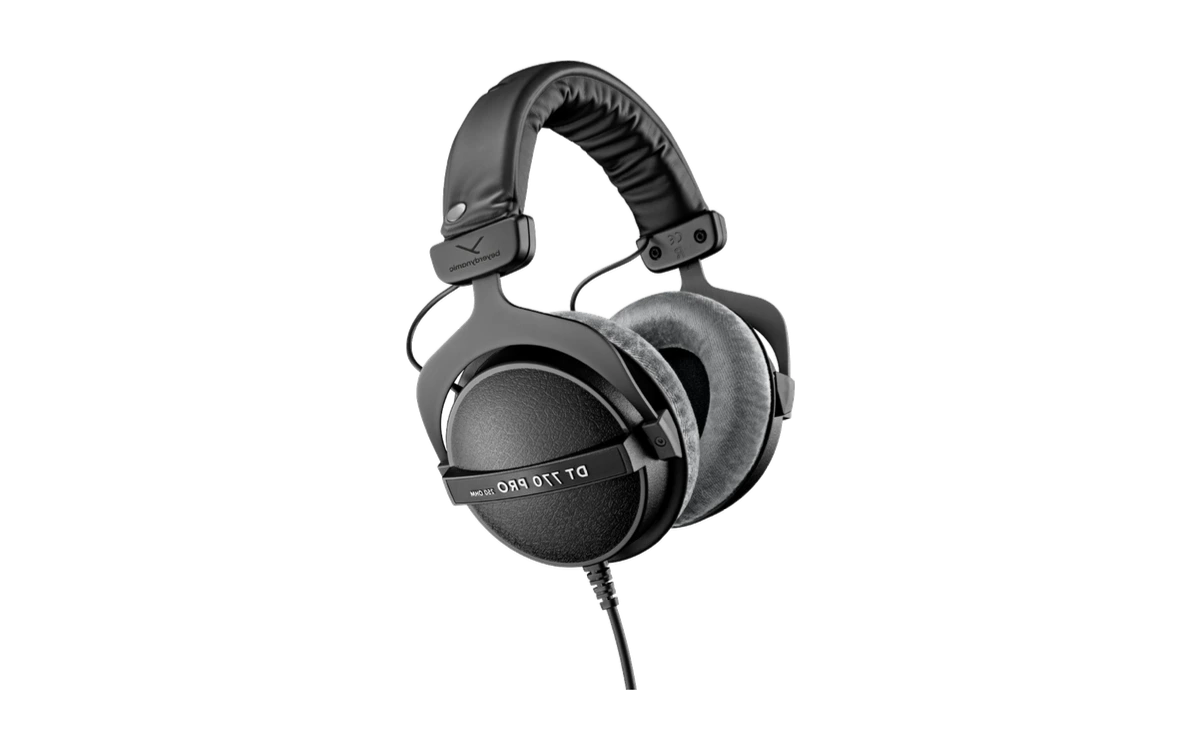
beyerdynamic
DT 770 PRO
The closed-back studio classic from Heilbronn: comfortable for hours, neutral, with velour pads.
- Very comfortable, even after hours
- Neutral sound, good for production
- Cups don't swivel — one-ear monitoring is awkward
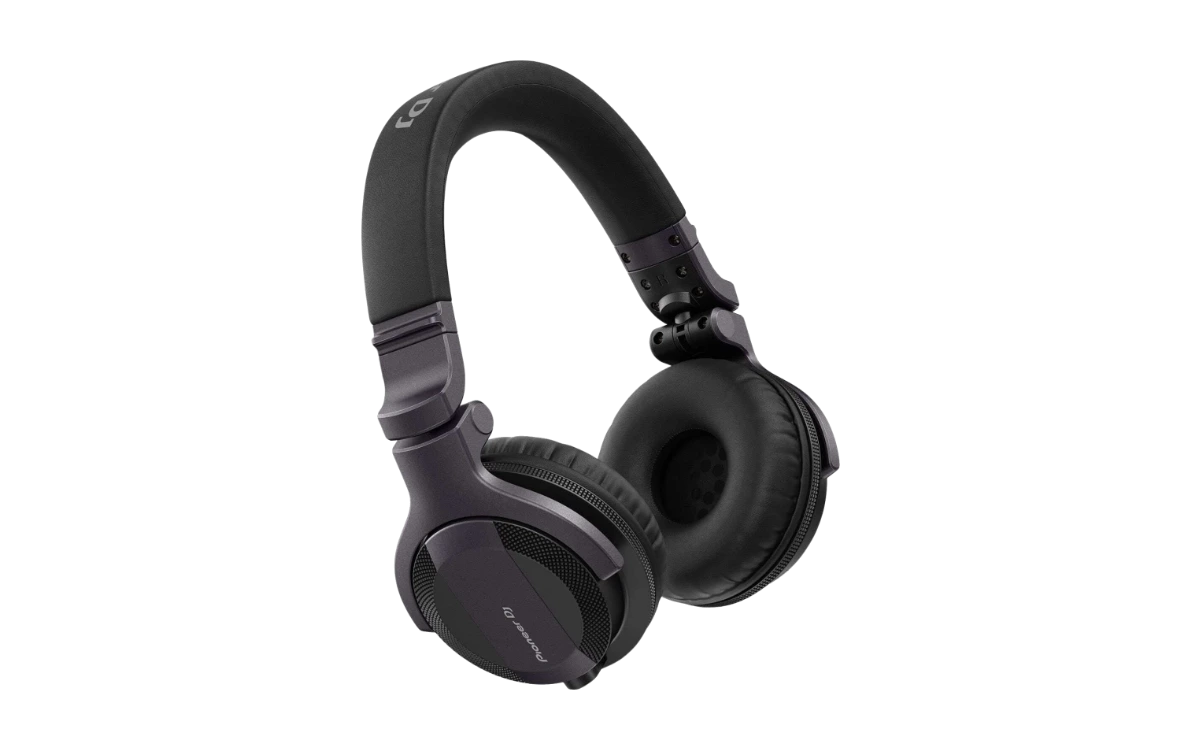
Pioneer DJ
HDJ-CUE1BT
The HDJ-CUE1 with Bluetooth — wired for DJing, wireless for listening.
- The DJ cable is included
- Usable wirelessly on the move
- Always wired for DJing — wireless has too much latency
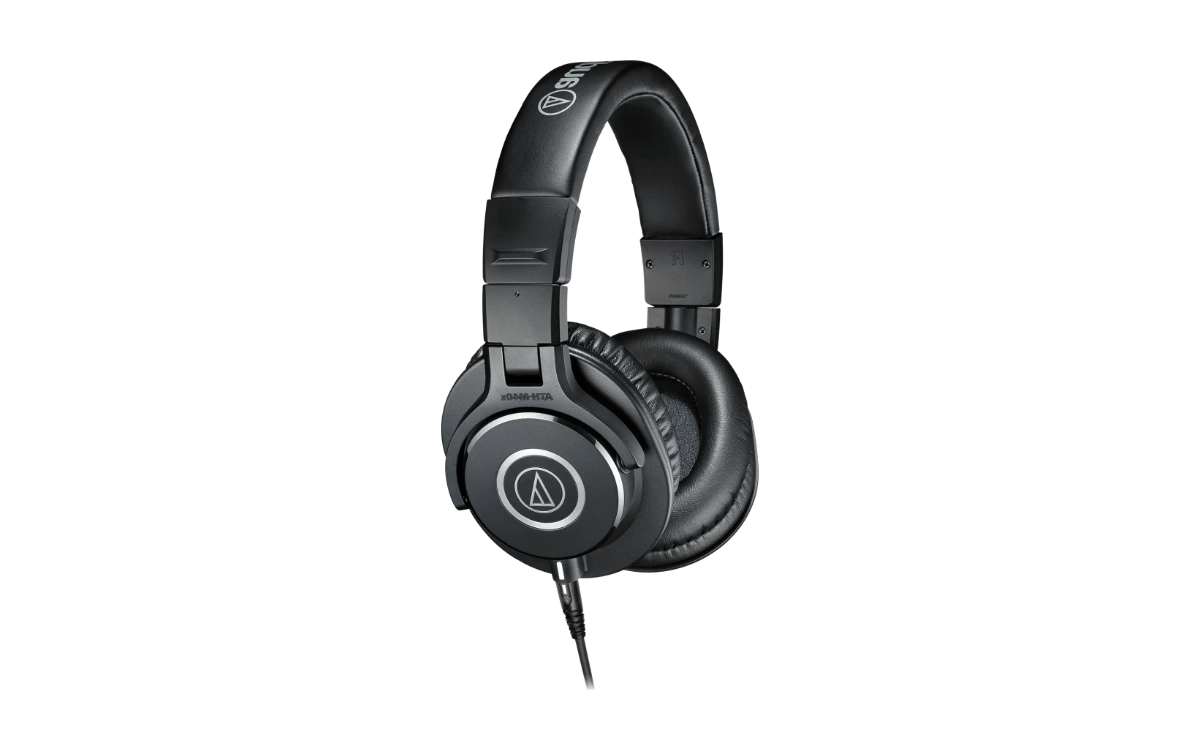
Audio-Technica
ATH-M40x
The smaller sibling of the M50x — same construction, flatter tuning.
- Swivelling cups for cueing
- Detachable cable
- Less bass than typical DJ models
€200 to €350
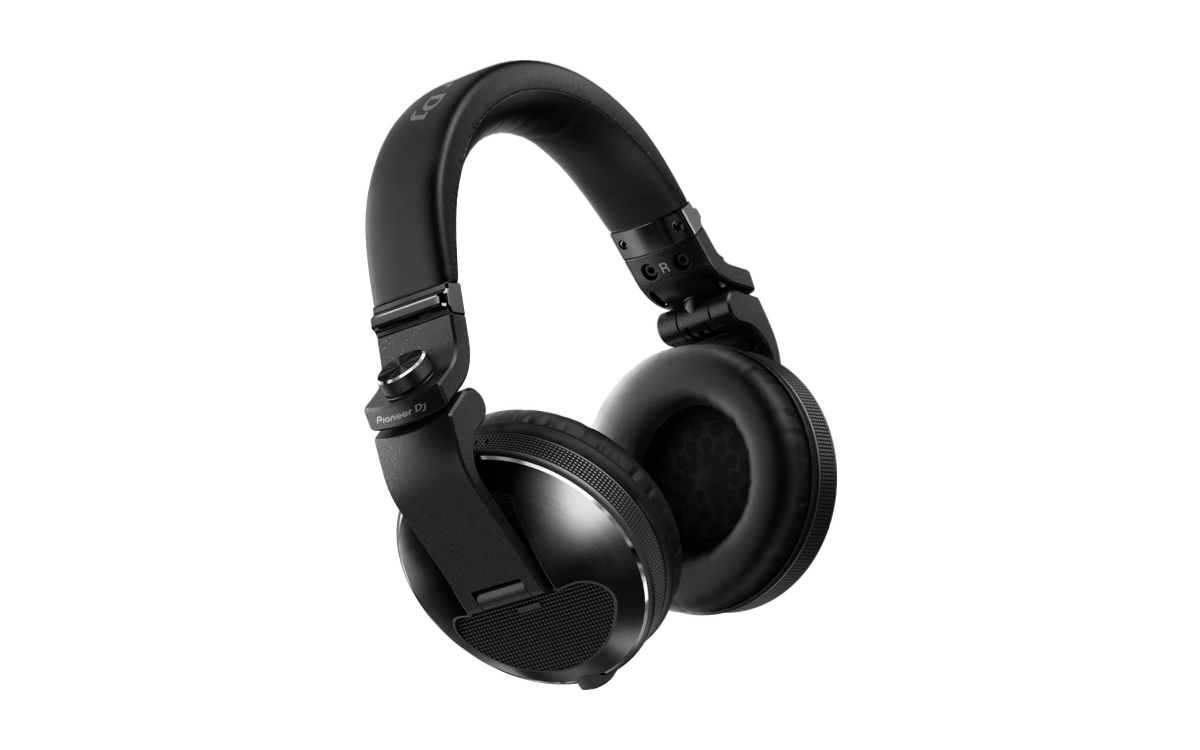
Pioneer DJ
HDJ-X10
The flagship of the HDJ-X range: the sturdiest build, the deepest bass, made for daily club use.
- Very robust, built for constant use
- Powerful bass, high isolation
- Expensive for DJ headphones
Frequently asked questions
The questions people actually ask before buying — answered from what we can back up. Daily prices are deliberately not part of it.
- What makes DJ headphones different from normal ones?
- Three things: a closed design that shuts the PA out, a swivelling ear cup so one ear stays on the room, and enough level to hear anything against a loud system. Sound accuracy comes after that — you are not judging a mix with them, you are finding the next cue.
- Are my normal headphones good enough for DJing?
- At home on a controller, yes — they will take you a long way. Once a PA is running, no: open and semi-open designs let the room through, and that is exactly when you stop hearing your cue channel. That is the moment the purchase pays off, not before.
- How much should I spend?
- There are models in the entry class that do the job. What the surcharge buys is mainly durability and replaceability: swappable cables and ear pads decide whether a pair is still around after two years. Towards the top it thins out quickly for DJ purposes — what sits above is studio gear.
- Bluetooth or cable?
- Cable. Wireless links add latency, and latency is precisely the problem when cueing: you no longer hear the next track where it actually sits. A detachable cable is the feature that matters here, not a wireless connection.
Other categories
Everything together, filterable by setup and budget, is in the catalogue. Why we recommend what we recommend is in the buying guide. To the equipment catalogueTo the buying guide