
Buyer's overview
DJ cartridges: 7 devices at a glance
The cartridge is the part many people forget with a first vinyl setup — and without it no sound comes out. For DJs what counts is not the last bit of resolution but that the needle stays in the groove, even when the record is handled. That is why DJ cartridges come pre-mounted on a headshell and are tuned differently from hi-fi styli. And here too: two decks means two cartridges.
up to €1003 devices
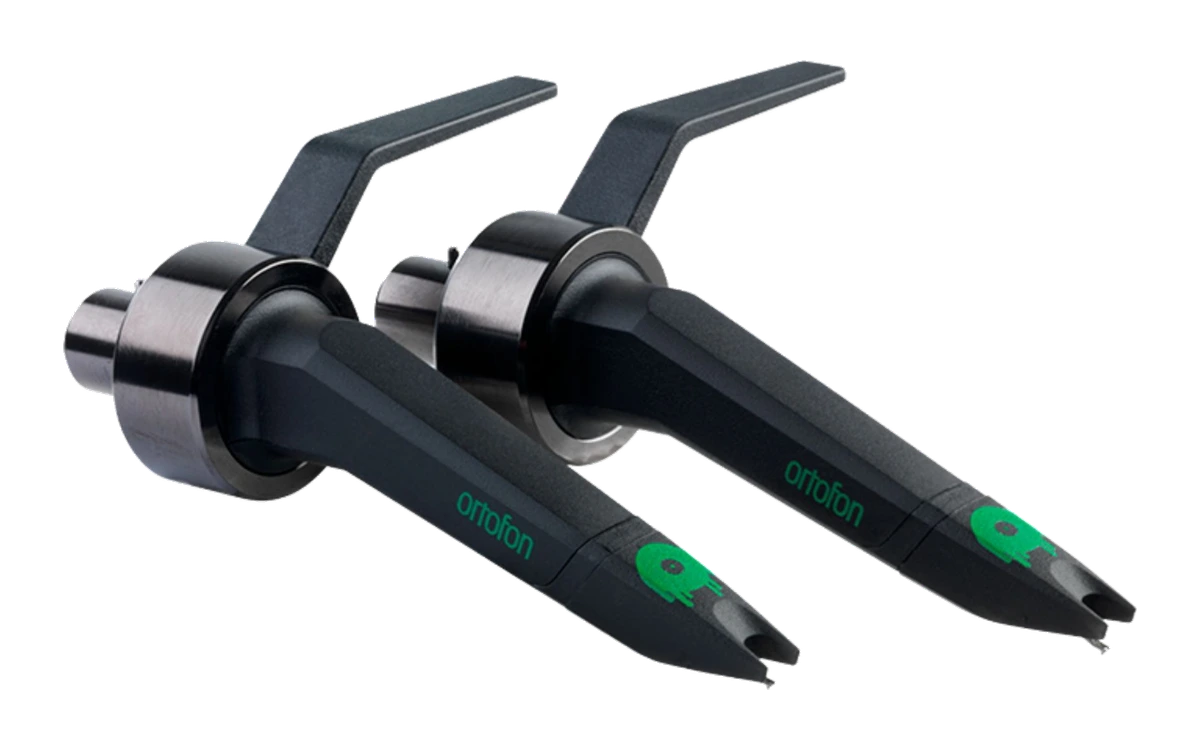
Ortofon
Concorde MKII Mix
up to €100
A DJ cartridge in the Concorde shape — mounts straight on the tonearm without a headshell.
- Output voltage
- 6 mV (1,000 Hz, 5 cm/sec)
- Stylus
- spherical, R 18 µm
- Tracking force
- 2–4 g (recommended 3 g)
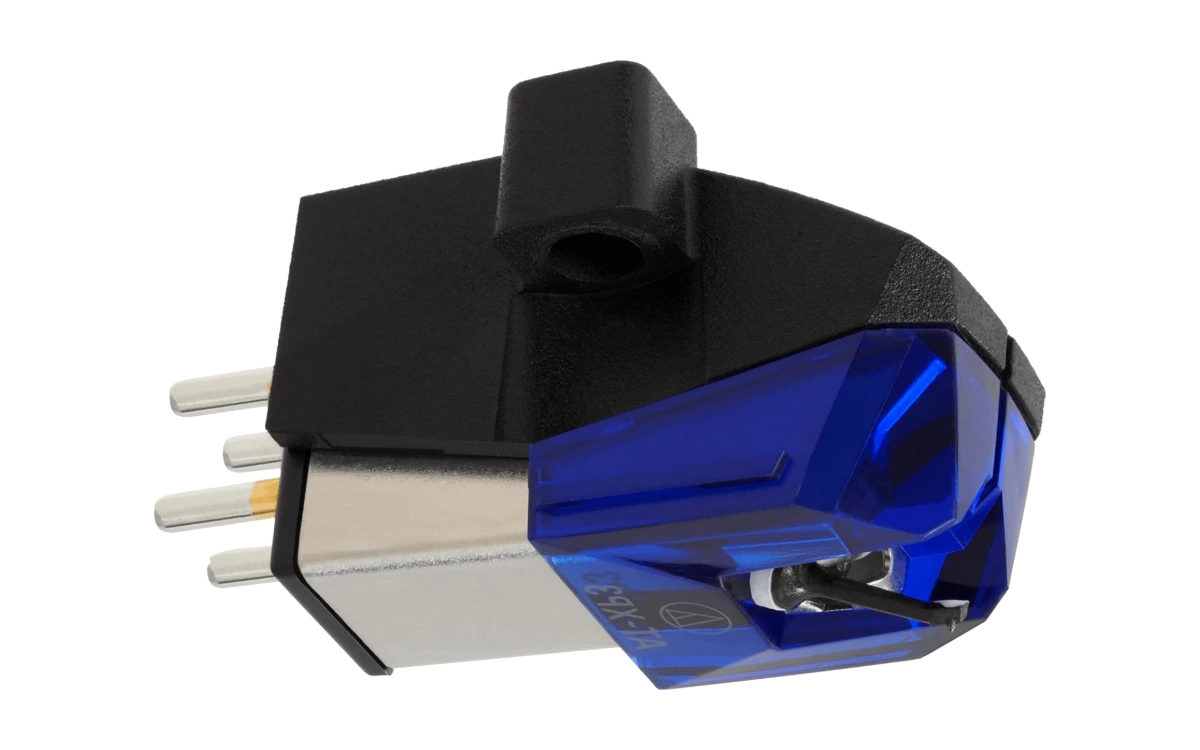
Audio-Technica
AT-XP3
up to €100
An entry-class DJ cartridge — the alternative to Ortofon when the turntable brings none.
Ideal for: Anyone who bought a second-hand turntable without a cartridge and wants to get it playing.
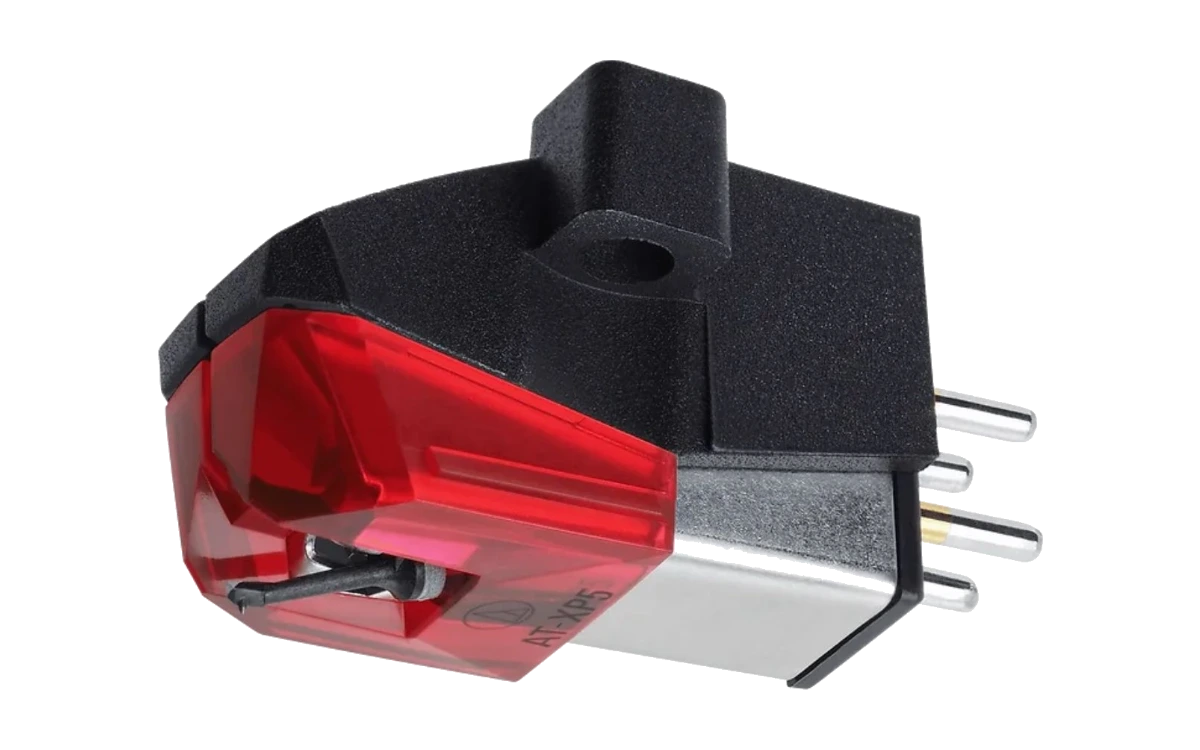
Audio-Technica
AT-XP5
up to €100
The middle DJ cartridge of the range — above the XP3, below the XP7.
Ideal for: Anyone playing vinyl regularly who wants more resolution than at entry level.
€100 to €2004 devices
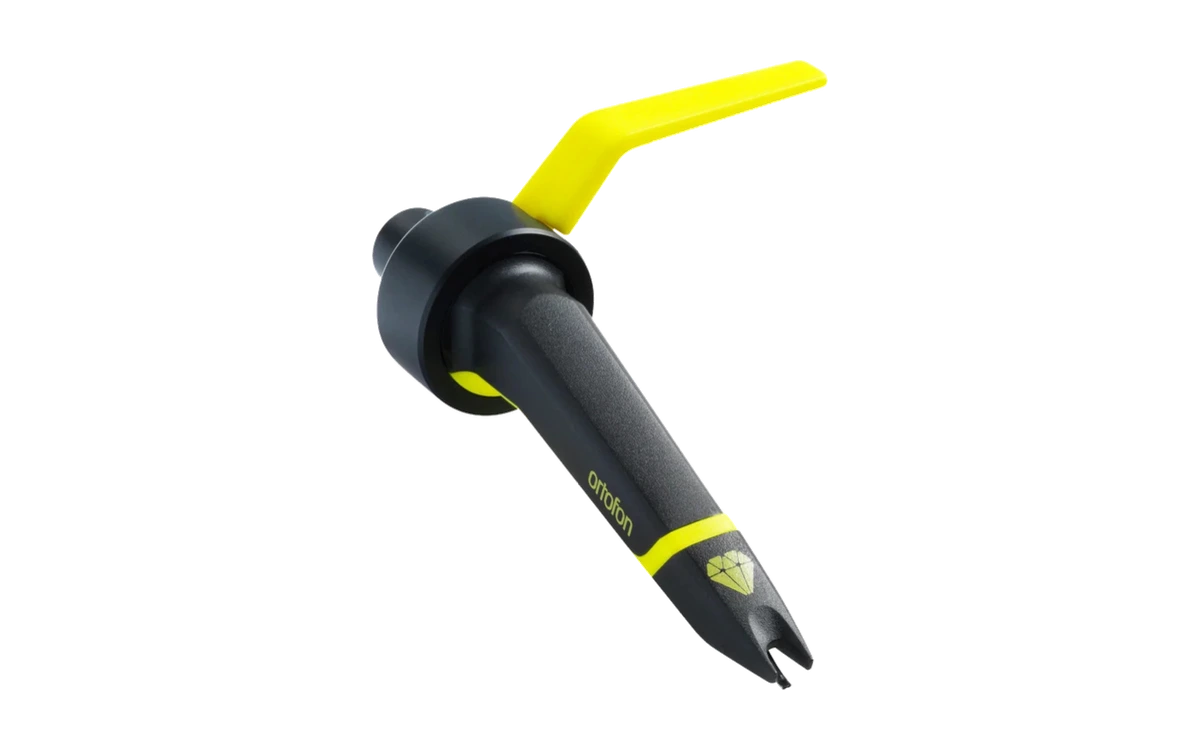
Ortofon
Concorde MKII Club
€100 to €200
The club variant of the Concorde: elliptical stylus, high output, more precise than the Mix.
- Output voltage
- 8 mV (1,000 Hz, 5 cm/sec)
- Stylus
- special elliptical, r/R 13/25 µm
- Tracking force
- 2–4 g (recommended 3 g)
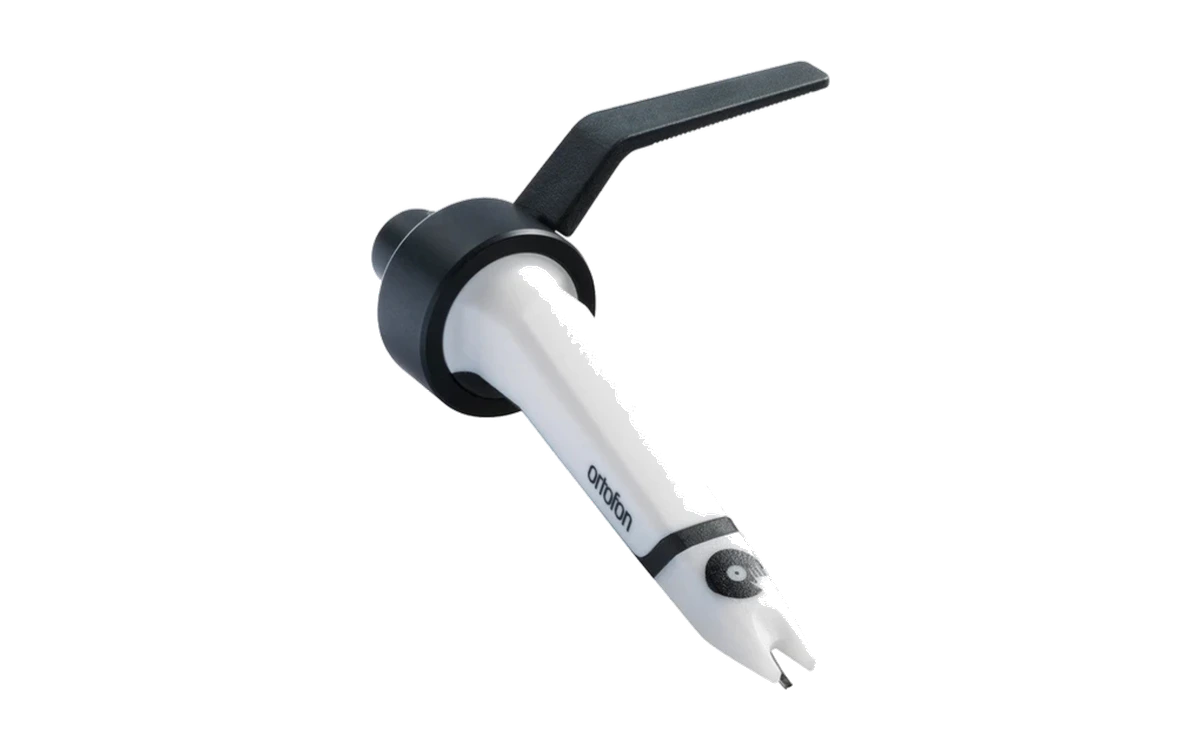
Ortofon
Concorde MKII Scratch
€100 to €200
Built for back-cueing and cuts: spherical stylus, very high tracking stability.
- Output voltage
- 10 mV (1,000 Hz, 5 cm/sec)
- Stylus
- spherical, R 18 µm
- Tracking force
- 3–5 g (recommended 4 g)
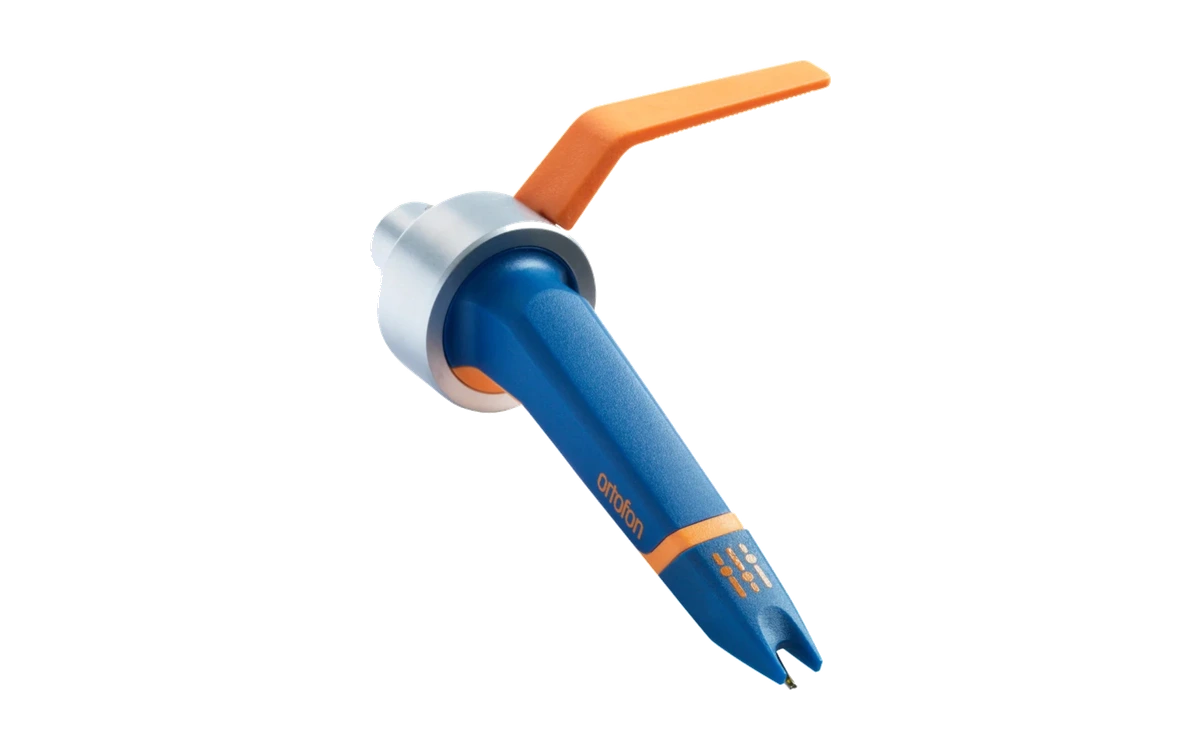
Ortofon
Concorde MKII DJ
€100 to €200
A spherical stylus in the Concorde shape — for everything except scratch battles.
- Output voltage
- 6 mV (1,000 Hz, 5 cm/sec)
- Stylus
- spherical, R 18 µm
- Tracking force
- 3–5 g (recommended 4 g)
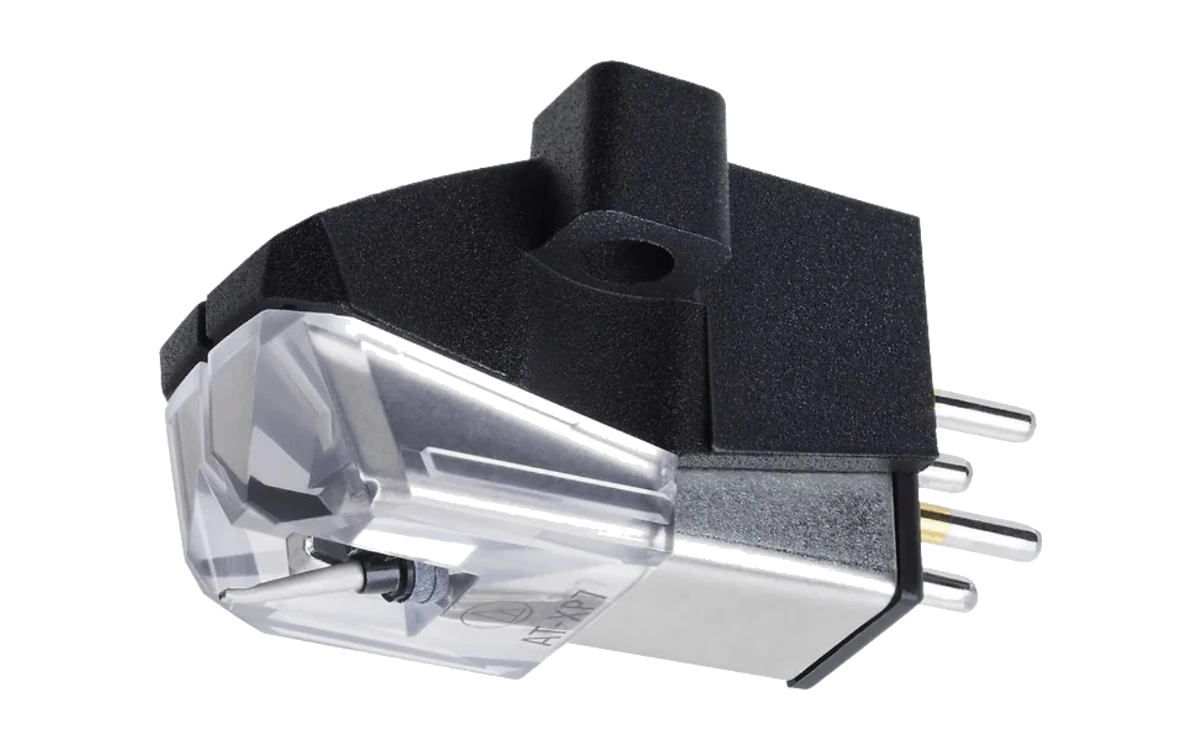
Audio-Technica
AT-XP7
€100 to €200
The top model of the XP range — built to stay in the groove under rough handling.
Ideal for: Anyone who scratches or plays a lot and wants the needle to track.
Cartridges: specs compared
The key values from the manufacturer manuals side by side. Every value appears with its PDF page on the product page; a dash means there is no clear value in the manual.
| Device | Output voltage | Stylus | Tracking force | Frequency response |
|---|---|---|---|---|
| Concorde MKII MixOrtofon | 6 mV (1,000 Hz, 5 cm/sec) | spherical, R 18 µm | 2–4 g (recommended 3 g) | 20–20,000 Hz (-3 dB) |
| Concorde MKII ClubOrtofon | 8 mV (1,000 Hz, 5 cm/sec) | special elliptical, r/R 13/25 µm | 2–4 g (recommended 3 g) | 20–20,000 Hz (-3 dB) |
| Concorde MKII ScratchOrtofon | 10 mV (1,000 Hz, 5 cm/sec) | spherical, R 18 µm | 3–5 g (recommended 4 g) | 20–18,000 Hz (-3 dB) |
| Concorde MKII DJOrtofon | 6 mV (1,000 Hz, 5 cm/sec) | spherical, R 18 µm | 3–5 g (recommended 4 g) | 20–20,000 Hz (-3 dB) |
Manual not yet evaluated: AT-XP3, AT-XP5, AT-XP7.
Frequently asked questions
The questions people actually ask before buying — answered from what we can back up. Daily prices are deliberately not part of it.
- How does a DJ cartridge differ from a hi-fi one?
- A DJ cartridge tracks at a higher force and has a sturdier stylus assembly. It is meant to stay in the groove when you touch, pull back or scratch the record — exactly the loads a hi-fi cartridge is not built for. The price you pay is more wear on the record.
- Do I need two cartridges?
- Yes, one per turntable — and ideally the same model twice. Two different cartridges differ in level and in brightness, and you would end up compensating for that by hand on every single transition.
- What do SP-mount and headshell mean?
- Two mounting styles. An SP-mount cartridge screws straight onto the tonearm and sits lower — common for scratching. A headshell cartridge sits in a holder you can detach and align. Both fit common DJ turntables; the question is whether you would rather swap or rather adjust.
- When do I need to replace the stylus?
- The stylus is a wear part, and how long it lasts is something the manufacturer states for its own model — a general figure in hours would be guesswork. You hear it before then: the highs get rough, loud passages distort, the cartridge skips more easily. At that point a replacement is overdue, otherwise the record takes the damage.
Other categories
Everything together, filterable by setup and budget, is in the catalogue. Why we recommend what we recommend is in the buying guide. To the equipment catalogueTo the buying guide
You picked your gear — now what?
The learning path takes you from the first cable to your first set: 12 phases, step by step, free. It works with any device — including the one you already own.